
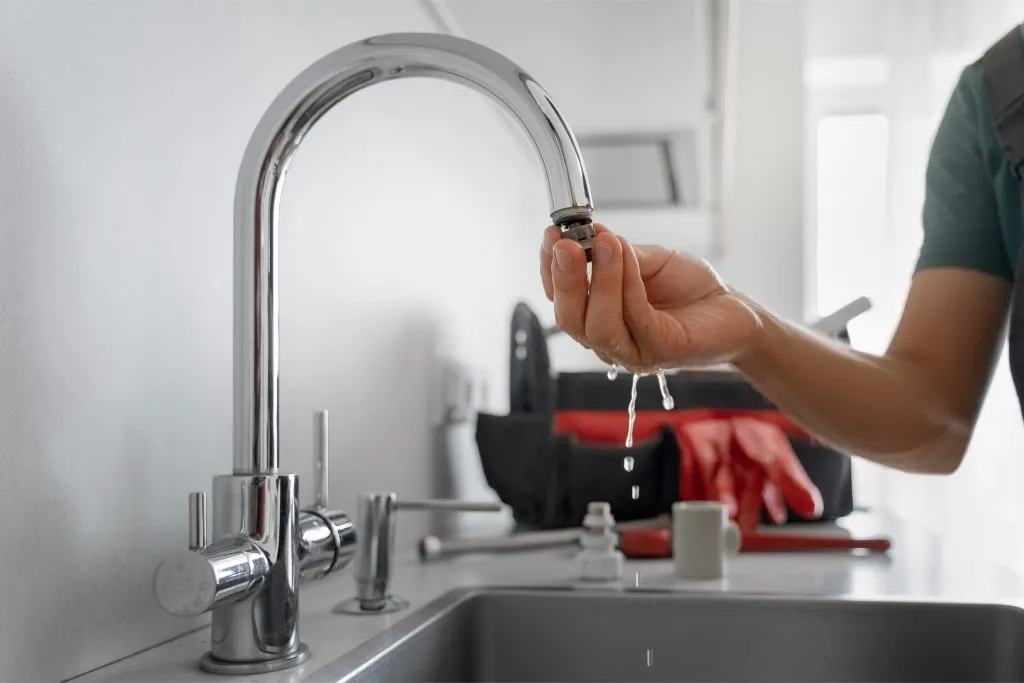
Low water pressure can disrupt daily routines, making simple tasks like showering, washing dishes, or doing laundry frustrating. Understanding why water pressure drops is essential to maintaining a smooth-running household. Low pressure can result from plumbing issues, municipal supply problems, or equipment malfunctions. We will explore the common causes of low water pressure and practical methods to resolve them, ensuring your home’s plumbing functions efficiently and reliably. By identifying the root of the problem, homeowners can prevent prolonged inconveniences and potential damage to plumbing systems. Addressing low water pressure promptly also helps extend the lifespan of faucets, showers, and appliances connected to your water supply.
Causes of Low Water Pressure and How to Address Them
1. Clogged Pipes or Fixtures
One of the most frequent reasons for low water pressure is buildup inside pipes or fixtures. Over time, mineral deposits from hard water, rust, and sediment can accumulate in pipes, restricting water flow. Showerheads, faucets, and aerators can become clogged, reducing the amount of water exiting the fixture. Fixing this issue typically involves removing the fixture and soaking it in a vinegar solution to dissolve mineral deposits. For pipes with significant buildup, a plumber may be required for professional cleaning or pipe replacement. Regular maintenance, including flushing water heaters and cleaning aerators, can prevent these blockages. Homes with older plumbing systems, particularly those with galvanized steel pipes, are more susceptible to internal corrosion and scaling, which can drastically lower water pressure.
2. Leaky Pipes
Leaks in the plumbing system not only waste water but also decrease pressure at other outlets. Even small leaks can significantly impact water flow, particularly in homes with older or extensive plumbing networks. Identifying leaks often involves inspecting visible pipes for damp spots, mold, or corrosion. Sometimes, professional leak detection services are required to locate hidden leaks behind walls or underground. Once detected, the repair can range from tightening joints and replacing damaged pipe sections to re-piping parts of the system. Timely repairs prevent further damage to the structure of the home and help restore water pressure to normal levels. Detecting and fixing leaks is a proactive approach to avoiding larger plumbing problems in the future.
3. Pressure Regulator Issues
Many homes use a pressure regulator to maintain consistent water pressure throughout the plumbing system. If the regulator malfunctions or is set too low, water pressure can drop noticeably. Signs of regulator issues include sudden changes in pressure when water is used in different parts of the home or unusually low pressure even when the municipal supply is normal. Adjusting or replacing the pressure regulator typically restores proper pressure. Some regulators have an adjustable screw, allowing homeowners or plumbers to fine-tune the pressure to recommended levels. Ensuring the regulator is functioning correctly also protects appliances and plumbing from excessive pressure that could cause leaks or bursts.
4. Municipal Supply Problems
Water pressure is not always controlled solely within the home. Municipal supply issues, including maintenance, water main breaks, or temporary restrictions, can reduce water pressure. Checking with the local water utility can clarify whether a pressure drop is affecting the entire neighborhood or is limited to the home. In some cases, installing a booster pump can help maintain consistent pressure if municipal supply fluctuations are frequent. Understanding the source of pressure problems can prevent unnecessary plumbing repairs and help homeowners plan for supplemental equipment when needed. Regular monitoring of water bills and notices from the water utility can provide early warnings about supply changes or disruptions.
5. Water Heater Concerns
Sometimes, low water pressure is specific to hot water rather than the entire household system. Sediment accumulation in the water heater can block pipes and reduce flow. Flushing the water heater regularly can remove debris and restore pressure. Additionally, inspecting the heater’s valves and connections ensures they are fully open and functioning correctly. Tankless water heaters may also experience low pressure if filters or inlet screens become clogged. Proper maintenance of the water heater is essential not only for pressure consistency but also for energy efficiency and prolonging the lifespan of the unit. Regular checks prevent both cold showers and potential damage from internal corrosion.
6. Pipe Size and Layout
Plumbing design impacts water pressure as much as external factors. Narrow pipes, long runs, and multiple bends can create friction that reduces flow. Older homes may have smaller-diameter pipes than current standards, which can limit the water volume. Addressing this issue often involves upgrading sections of the plumbing system to larger pipes or optimizing the layout. Professional assessment can identify areas where re-piping or modifications will have the most impact. While this solution may require investment, it provides a permanent improvement to water flow and prevents ongoing pressure problems in multiple areas of the home. Home renovations offer an ideal opportunity to incorporate these adjustments efficiently.
7. Fixture or Valve Problems
Faucets, shower valves, and shut-off valves can wear out or become partially closed, reducing water pressure. Inspecting and fully opening all valves ensures maximum flow. If valves are old or corroded, replacing them with new components can resolve pressure inconsistencies. Modern fixtures designed for efficient flow can also enhance water delivery without wasting water. Regular inspection and maintenance of these components prevent minor issues from escalating into larger plumbing problems. Ensuring proper operation of fixtures and valves contributes to a more reliable and consistent water supply throughout the home.
Low water pressure is a common plumbing challenge that can affect comfort, efficiency, and the overall functionality of a home. Addressing these issues promptly through maintenance, repairs, or upgrades restores proper flow and prevents further complications. Homeowners who monitor their plumbing system, schedule regular maintenance, and address issues as they arise can maintain consistent water pressure and extend the lifespan of plumbing infrastructure. By understanding the causes and solutions, low water pressure no longer has to disrupt daily routines, ensuring a reliable water supply for every household’s needs.