
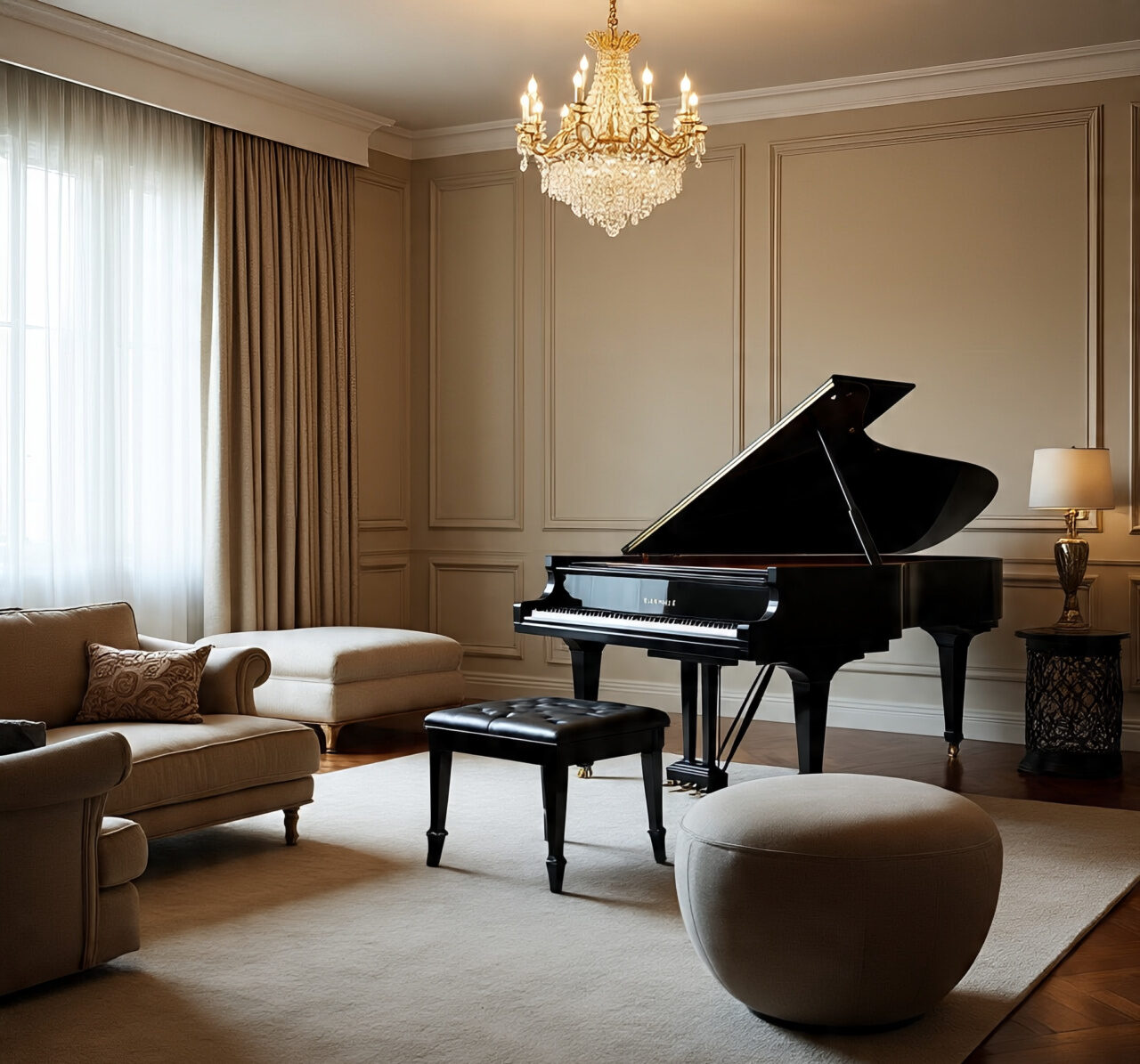
Luxury no longer shouts for attention. It doesn’t depend on gold accents, oversized chandeliers, or over-the-top materials. True sophistication whispers through thoughtful details that make life smoother and spaces feel intuitively balanced. The modern homeowner craves comfort that doesn’t announce itself but quietly enhances everyday living. Invisible luxury is about the unseen craftsmanship, the seamless transitions, and the intentional restraint that allows beauty and function to coexist. It’s the kind of space that feels good to be in without quite knowing why.
Designers are increasingly focused on creating homes that adapt to the people who live in them, instead of the other way around. It’s about thoughtful integration rather than surface-level styling. The use of light, proportion, and material harmony has become the language of high-end design. And for those who value both aesthetic elegance and practicality, innovations like retractable screens and hidden smart features are redefining what “luxury” really means. These subtle solutions let natural light and fresh air flow freely, balancing beauty with comfort. This balance is at the heart of invisible luxury, as embodied by solutions as phantom screens long island.
The Beauty of Effortless Design
When a space feels natural and easy to live in, that’s when design truly succeeds. Effortless interiors are never accidental. They’re the product of precise planning and a deep understanding of how people interact with their surroundings. Designers spend hours refining floor plans, lighting layers, and traffic flow so that every movement feels fluid.
Invisible luxury lies in those quiet decisions. A doorway positioned for symmetry, a hidden power outlet that keeps cords out of sight, a custom cabinet that conceals the coffee machine — these small touches transform a house into a home that feels polished yet lived-in.
The result is a space that looks calm and collected even when life is busy. Clean lines, open layouts, and uncluttered surfaces give the mind room to rest. But what makes the space truly exceptional is how it responds to daily routines — not through visible opulence, but through intuitive ease.
The Role of Thoughtful Architecture
Architecture is the framework that holds invisible luxury together. The structure itself becomes part of the story, where walls, ceilings, and openings are carefully aligned to guide the eye and create a sense of harmony.
Modern designers have moved away from rigid floor plans toward open concepts that encourage flow between rooms. This openness isn’t about vast emptiness, but about sightlines that connect people and experiences. Thoughtful transitions — like sliding panels, retractable walls, or concealed pocket doors — add flexibility without visual clutter. These are the bones of a home that adapts gracefully, whether it’s hosting a lively dinner party or providing a quiet sanctuary for one.
Attention to proportion also plays a role. The height of a window, the curve of a staircase, or the rhythm of ceiling beams can create subtle emotional cues that make a space feel comforting and balanced. The best designers know that architectural elegance doesn’t need to stand out to be felt.
A great example of this design philosophy can be seen through the refined work found on https://tksdesigngroup.com, where craftsmanship and spatial intelligence transform ordinary rooms into timeless sanctuaries.
Hidden Functionality: Where Form Meets Purpose
Invisible luxury thrives on functionality that blends into the background. It’s the hidden storage behind seamless cabinetry, the recessed lighting that washes walls softly instead of spotlighting them, and the concealed technology that works quietly behind the scenes.
Today’s homeowners value these invisible systems just as much as visible beauty. Retractable screens, motorized shades, and whisper-quiet ventilation systems enhance comfort without interrupting the design narrative. Imagine stepping into a bright, airy living room where a simple button transforms the space into a shaded, breezy retreat. That’s invisible luxury at work — design that feels intuitive and personal.
Even the materials play a role. Matte finishes, soft-touch cabinetry, and natural stone surfaces with subtle veining all contribute to a sense of tactile serenity. Each texture and tone is chosen to support relaxation, not distraction.
The Emotional Side of Minimalism
Invisible luxury also carries an emotional weight. It’s about creating an environment that supports mindfulness and calm. Minimalism is often misunderstood as stark or cold, but when done thoughtfully, it becomes deeply comforting.
By reducing visual noise, minimalist design allows people to reconnect with themselves. Every piece of furniture, every material, and every line serves a purpose. There’s no excess, only intention. This sense of clarity translates into daily living — fewer distractions, more peace, and a heightened awareness of the present moment.
Colors play an equally important role. Soft neutrals, warm whites, and muted earth tones cultivate a feeling of serenity. Natural materials like wood and stone remind us of our connection to the outdoors, grounding the space emotionally.
Invisible luxury isn’t about austerity. It’s about refinement and restraint — knowing when to stop adding and start editing. The reward is a home that feels uncluttered, open, and deeply human.
Sustainability as the New Status Symbol
There’s also a growing recognition that sustainability is part of true luxury. It’s not enough for a home to look beautiful; it should also be responsible and enduring. Designers are incorporating materials that age gracefully, energy-efficient lighting systems, and eco-conscious layouts that reduce waste.
The idea of “invisible sustainability” fits perfectly within this movement. Solar shades, efficient windows, and retractable ventilation systems help regulate temperature naturally. Reclaimed materials, hidden insulation upgrades, and modular furnishings reduce the environmental footprint without altering the aesthetic.
Luxury today isn’t defined by price tags, but by how intelligently a home functions and how well it stands the test of time. A space that quietly supports both human comfort and environmental responsibility is the ultimate expression of modern elegance.
The Quiet Power of Design You Don’t Notice
Invisible luxury doesn’t ask to be admired; it’s felt. It’s the smooth motion of a door that slides effortlessly, the soft glow of indirect light that calms the senses, and the open view that connects you with nature without distraction. These experiences linger long after trends fade.
The homes that embody invisible luxury are not just designed — they’re orchestrated. Every surface, sightline, and shadow is part of a larger symphony of subtlety. The goal isn’t to impress visitors but to enrich daily life. When you walk through a space that feels harmonious, welcoming, and quietly refined, you realize that true luxury was never about excess. It was about ease, balance, and beauty that speaks in whispers.