
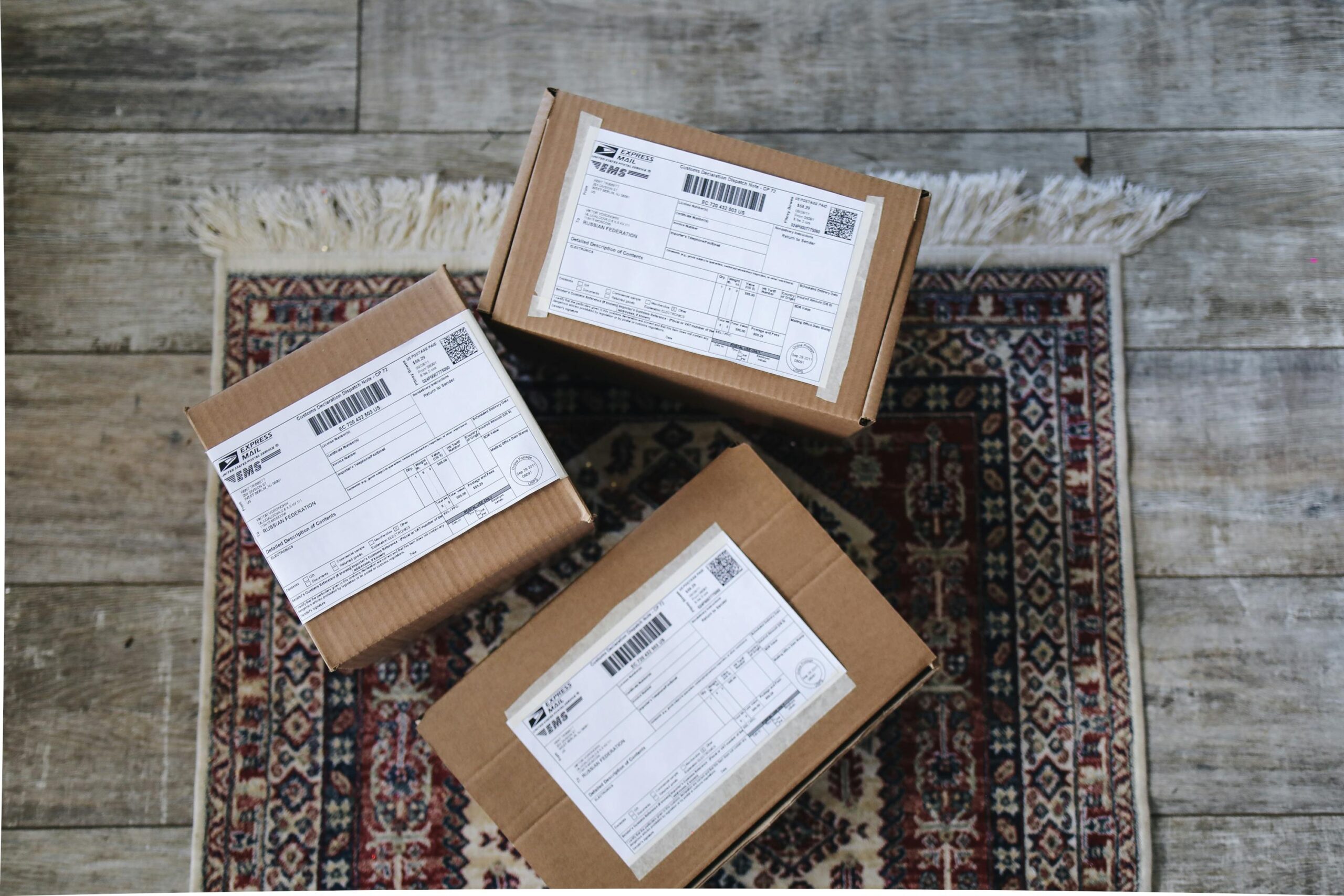
In the fast-paced world of manufacturing, logistics, and retail, a label might seem like a small detail, a simple piece of paper with some text and a barcode. But to dismiss it as such would be a costly mistake. The humble label is the silent workhorse of countless industries. It’s a vital tool for tracking, branding, and, most importantly, ensuring safety and compliance. When a label fails—when it peels off a package, smears in the rain, or fades in the sun—it can bring a meticulously planned operation to a grinding halt. The consequences can range from inventory loss and shipping errors to product recalls and serious legal penalties.
The question, therefore, is not just whether you are using labels, but whether you are using the right CDM labels for your specific needs. The material, adhesive, and printing method must be perfectly matched to the unique challenges of your industry. Choosing the wrong label is like trying to fix a leaky tap with a bandage—it might hold for a moment, but it’s ultimately going to fail. This guide will walk you through the key considerations for selecting the perfect label solution, tailored to the demands of various sectors.
Beyond the Barcode: The Role of an Industrial Label
A label’s function extends far beyond its scannable data. It can be a brand ambassador, a compliance tool, a safety warning, or a temperature indicator. For a cosmetics brand, a label needs to be waterproof and visually appealing. For a chemical company, it must be resistant to corrosive substances and display critical hazard information. For a food manufacturer, it must withstand freezing temperatures and adhere to strict hygiene regulations. The label is the first and often only point of contact between a product and the entire supply chain, from the warehouse floor to the end user. Getting it right is a fundamental part of quality control.
The Big Three: Material, Adhesive, and Printing
Before we dive into specific industries, it’s crucial to understand the three core components that determine a label’s performance.
1. Label Materials
The material, or face stock, gives the label its physical properties.
- Paper Labels: The most common and cost-effective option. Ideal for dry, indoor environments where no special resistance is needed. They are perfect for shipping labels, product tags, and general-purpose applications.
- Polypropylene (PP) and Vinyl Labels: These are plastic-based and highly durable. They are resistant to water, oil, and many chemicals. Polypropylene is a great all-rounder, while vinyl offers excellent flexibility, making it ideal for curved surfaces.
- Polyester (PET) Labels: Known for their superior durability and resistance to high temperatures, chemicals, and abrasion. Polyester labels are the workhorse of the electronics, automotive, and manufacturing industries.
- Synthetics: These materials are tear-proof and often have a matte or gloss finish. They are perfect for applications where durability is key, such as in logistics or outdoor settings.
2. Adhesives
The adhesive is the glue that holds everything together. Its performance depends on the surface it’s being applied to and the environmental conditions it will face.
- Permanent Adhesives: Designed for a secure, long-lasting bond. Once applied, they are very difficult to remove without tearing the label.
- Removable Adhesives: These allow the label to be peeled off cleanly without leaving any residue. Ideal for temporary identification or retail price tags.
- High-Tack and Specialist Adhesives: Formulated for difficult surfaces like textured plastics, oily metals, or surfaces exposed to extreme temperatures.
3. Printing Methods
The printing method ensures the information remains legible throughout the product’s lifecycle.
- Direct Thermal: This method uses a heat-sensitive paper and a thermal print head to create the image. It’s fast and cost-effective, but the print is susceptible to heat, light, and abrasion. Not suitable for long-term or harsh environments.
- Thermal Transfer: This uses a ribbon to transfer ink onto the label material using heat. The print is highly durable, resistant to smudging, and can withstand a range of environmental factors. This is the preferred method for most industrial applications.
Industry-Specific Labelling Challenges and Solutions
Different industries face unique labelling challenges. Here’s a look at how the right choice of label can solve them.
The Food and Beverage Industry
- Challenge: Labels must withstand moisture, refrigeration, and freezing without peeling, wrinkling, or fading. Adhesives must be food-safe.
- Solution:Polypropylene or vinyl labels with a moisture-resistant permanent adhesive are essential. For frozen food, a special deep freeze adhesive is required to ensure the label stays attached even when applied at sub-zero temperatures. Thermal transfer printing ensures that the sell-by date and batch number remain legible.
The Healthcare and Pharmaceutical Sector
- Challenge: Labels on vials, syringes, and medical devices must withstand sterilisation processes, exposure to chemicals (like alcohol or solvents), and extreme temperatures. They must also be very small and scannable.
- Solution:Synthetic labels, often made from polyester, with a strong, chemical-resistant adhesive. Labels for blood bags or test tubes require a specific adhesive that can withstand freezing in liquid nitrogen. High-resolution thermal transfer printing is used to ensure small barcodes and text are clear and scannable.
The Manufacturing and Logistics Sector
- Challenge: Labels on crates, pallets, and product parts must withstand abrasion, heavy handling, and a wide range of temperatures.
- Solution:Polypropylene or durable synthetic labels are the go-to. A strong permanent adhesive is crucial for ensuring the label doesn’t peel off during transit. For asset tracking on machinery or tools, a tamper-evident label that leaves a ‘void’ message upon removal can be used.
The Electronics Industry
- Challenge: Labels must resist heat generated by components, remain static-free to prevent damage, and often need to be very small.
- Solution:Polyester labels with a special coating and adhesive are used to withstand high temperatures. For circuit boards and components, anti-static labels are a must to prevent electrostatic discharge. The print must be incredibly durable to withstand cleaning with solvents.
The Horticulture and Outdoor Industries
- Challenge: Labels for plants, trees, and outdoor equipment must be completely weatherproof and resistant to UV light, which can cause colours to fade and materials to become brittle.
- Solution:Vinyl or durable synthetic labels with UV-resistant laminates are used to protect the print. A powerful, all-weather adhesive ensures the label stays attached through sun, rain, and frost.
The True Cost of a Failed Label
Using the wrong label might save a few pence in the short term, but the potential costs of failure far outweigh any initial savings. A single failed label on a pallet of goods can lead to a mis-shipment, resulting in lost time, a refund, and a damaged customer relationship. In the worst-case scenarios, a failed safety or hazard warning label can lead to an accident, a product recall, or a public health incident, followed by crippling fines and legal action. The integrity of your label is directly linked to the integrity of your operation.
In conclusion, a label is not a commodity—it is a critical piece of your business infrastructure. By carefully considering the material, adhesive, and printing technology, and by matching these to the specific demands of your industry, you can ensure your products are tracked accurately, comply with all regulations, and maintain their integrity from the production line to the final destination. Don’t leave it to chance; make sure you are using the right labels for the job.