
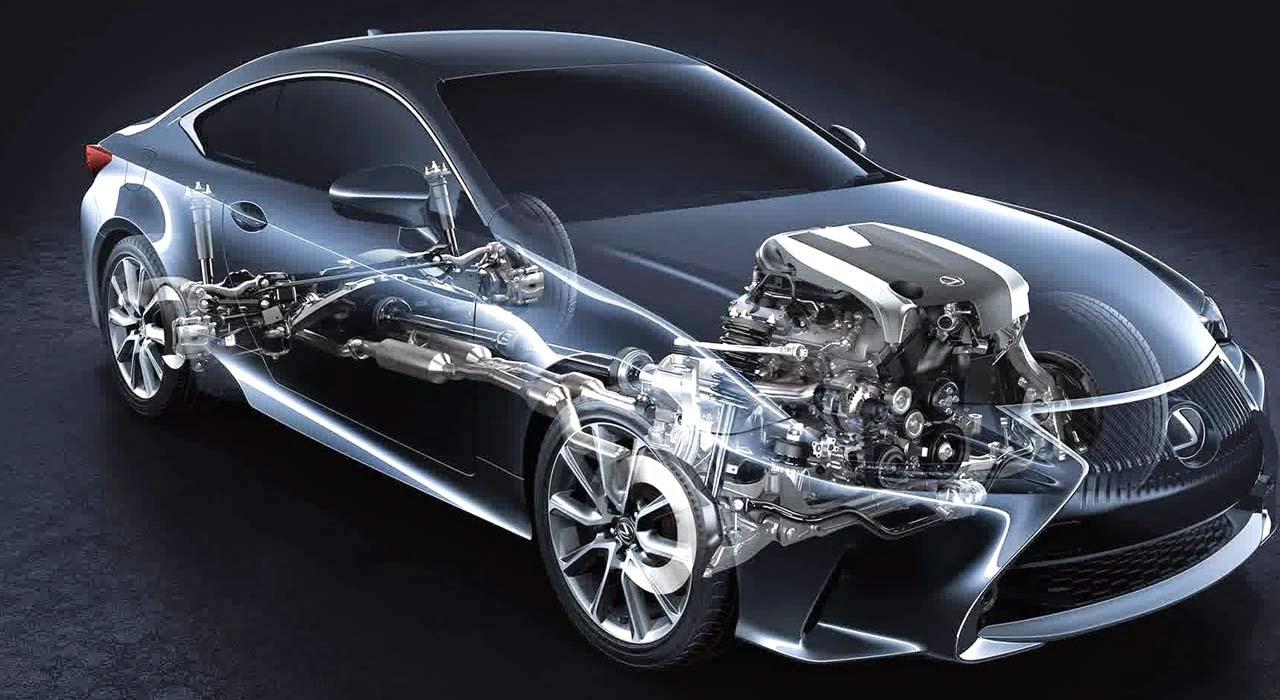
When it comes to maximizing the performance of your vehicle, efficiency and power are often at the top of the list. Whether you’re driving to work every day, hauling goods for business, or simply enjoying weekend road trips, how your engine breathes and performs makes a world of difference. Many people think boosting engine power means expensive upgrades or complicated modifications, but the truth is, improving efficiency and longevity often comes down to simple changes and a better understanding of how engines work.
Let’s take a closer look at practical ways you can enhance both efficiency and performance without overcomplicating the process.
Why Engine Efficiency Matters
Think of your engine like your own body during exercise. If you’re running while breathing through a straw, you won’t go far before you feel exhausted. Similarly, an engine that can’t take in air freely will burn more fuel and strain harder to deliver power. That’s where efficiency plays such a big role.
Efficiency isn’t just about saving on fuel costs—it’s also about maintaining performance for the long haul. A well-tuned engine runs smoother, puts less stress on its internal parts, and delivers consistent power. In industries such as transportation and logistics, efficiency can result in thousands of dollars saved annually. For everyday drivers, it can mean fewer trips to the pump and a longer lifespan for the car they rely on.
Balancing Power and Practicality
When people hear the word “power,” they often picture roaring sports cars or massive trucks pulling heavy loads. But boosting power doesn’t always mean chasing top speeds. In real-world situations, a well-balanced vehicle provides enough horsepower to accelerate smoothly, climb hills effortlessly, and handle extra weight without strain.
Take, for example, delivery vans in urban areas. They may not require racecar-level power, but they benefit from responsive engines that can navigate through traffic, carry heavy loads, and still remain fuel-efficient. The same applies to family cars or motorcycles—where comfort, safety, and reliability are just as important as speed.
Achieving this balance often requires focusing on small but impactful upgrades. Simple changes, such as improved airflow, high-quality fuel, and regular maintenance, ensure engines perform at their best without unnecessary wear and tear.
The Role of Airflow in Engine Performance
Air is fuel’s silent partner. Without the right amount of clean, unrestricted airflow, combustion in the engine becomes less efficient, leading to wasted fuel and reduced power. Imagine cooking with damp firewood—it smokes a lot, doesn’t burn completely, and leaves behind residue. Engines function similarly when airflow is blocked or contaminated.
Upgrading your air intake system is one of the most straightforward ways to boost performance. A high-quality air filter ensures that your engine is breathing properly, allowing for cleaner combustion, more power, and better fuel economy. This is where smart choices come in—not all filters are created equal, and investing in ones designed for performance can make a significant difference.
During your vehicle’s maintenance routine, consider advanced options like DNA Performance Air Filters, which can offer both improved airflow and long-term durability. This type of upgrade isn’t about flashy modifications; it’s about giving your engine what it needs to run stronger and cleaner day after day.
Maintenance: The Overlooked Secret to Performance
You can install all the best upgrades in the world, but without proper maintenance, efficiency will always suffer. Oil changes, spark plug replacements, and fluid checks are often underestimated, yet they play a critical role in how well your engine performs.
Think about how athletes prepare for a marathon. They don’t just buy good shoes; they also train consistently, eat properly, and recover well. Similarly, engines require attention on multiple levels to function optimally. Skipping small tasks, such as replacing old filters or ignoring warning lights, can quietly erode efficiency over time.
Even something as simple as keeping your tires properly inflated reduces drag on the engine, helping you save fuel and extend its life. These small, consistent efforts add up to big results in both performance and reliability.
Technology and Smarter Driving
It’s not just about parts—it’s also about how you drive. Smooth acceleration, maintaining steady speeds, and avoiding unnecessary idling all contribute to better efficiency. Fleet operators, for example, often train drivers on techniques to reduce fuel consumption, which in turn lowers costs and emissions.
Technology is also playing its part. Modern vehicles are equipped with sensors and onboard diagnostics that help drivers monitor fuel usage, detect issues early, and adjust their habits for improved performance. It’s like having a coach who reminds you when to breathe or pace yourself during exercise.
Learning to work with these tools, rather than against them, can make the driving experience smoother and more economical.
The Bigger Picture: Efficiency Meets Sustainability
Boosting engine efficiency isn’t just good for your wallet—it’s also good for the planet. Reduced fuel consumption means fewer emissions, which is a win for air quality and long-term sustainability. Many industries are now considering efficiency not only as a business advantage but also as a responsibility to the environment.
When you make small changes, like upgrading airflow or keeping up with maintenance, you’re not only helping your own vehicle, you’re also contributing to a broader effort to reduce unnecessary fuel waste. This ripple effect is similar to how internal combustion engines revolutionized transportation; today, efficiency upgrades are reshaping our thinking about sustainable performance.
Final Thoughts
Boosting engine efficiency and power doesn’t have to mean chasing extremes or spending a fortune. It’s about understanding how small details such as airflow, maintenance, and driving habits add up to make a significant difference. With the right approach, your vehicle can deliver stronger performance, better fuel economy, and longer-lasting reliability.
So, whether you’re managing a business fleet, commuting daily, or simply hitting the open road for fun, remember that efficiency and power work best when balanced correctly. Smart choices today will not only improve your ride but also pay dividends in savings, sustainability, and peace of mind tomorrow.