
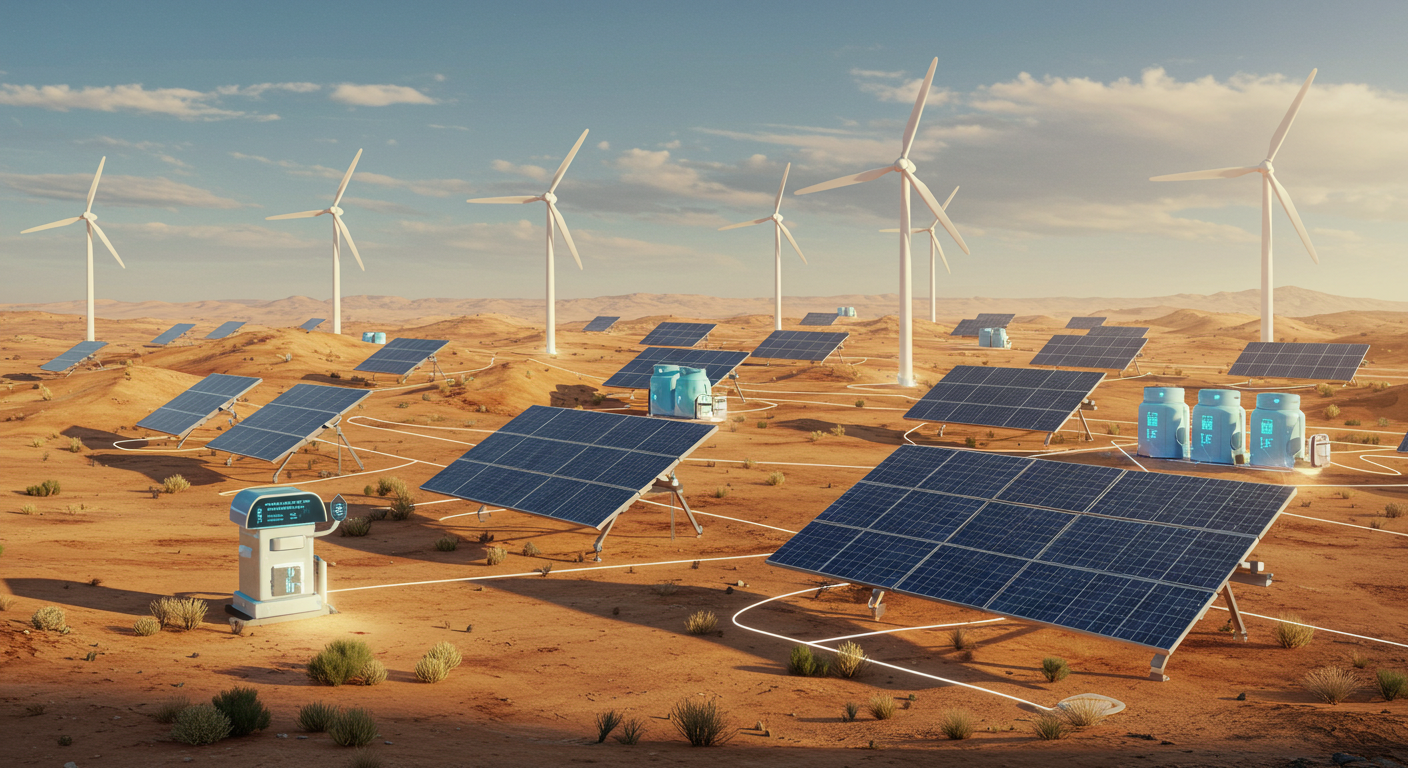
The sustainable energy revolution has arrived in its most intelligent and eco-friendly form to date. Recent solar technology advancements allow citizens, together with businesses and large communities, to produce their own renewable electricity solutions and decrease reliance on gasoline-powered stations. The alternative power solution, which once appeared as a replacement energy source, is pushing rapidly toward being a universal market leader as its technological foundation develops swiftly. Innovative solar technologies transform power delivery to our residences and the entire planet by producing advanced solar panels together with solar-integrated roof systems.
What’s New in Solar Technology?
Traditional solar panels have significantly evolved from their initial debut. Present-day state-of-the-art systems demonstrate superior sunlight capturing capabilities alongside their improved size reduction and product longevity, and reduced price point. The emergence of monocrystalline PERC panels creates superior energy collection capabilities during minimal sunlight conditions. Residential and commercial installations mostly utilize these next-generation panels, which deliver superior performance to their predecessors.
New solar panel technology enables sunlight capture from front and rear surfaces through bifacial panels. The reflective surfaces, along with elevated racks, significantly multiply the power generation of bifacial panels, making them perfect for ground-based systems and industrial settings.
Users opt for thin-film solar cells because of their lightweight properties combined with their flexible construction. These less efficient solar solutions provide building material integration through windows and vehicle applications, but also enable standalone surface integration.
Smart Solar Systems: Technology Meets Intelligence
Smart solar systems have completely changed both how we handle our own generated solar power and how we interact with this energy system. Advanced monitoring equipment installed in smart systems creates real-time data visibility for both energy production and consumption among users. Mobile apps, together with cloud-based dashboards, show users methods to optimize their energy usage while detecting problems and assessing their environmental impact.
Solar panels alongside energy management systems, as well as AI-driven inverters, create automated responses to weather and price information, together with user-specific household electricity patterns. The intelligent systems maintain day and night operational efficiency by transforming stored energy into grid returns at peak economic value.
Solar Plus Storage: Energy on Demand
Innovative solar technology achieves its most exciting breakthroughs by combining solar panels with storage solutions. Homeowners who own solar panels together with home battery systems, including Tesla Powerwall or LG Chem, can store daytime power for nighttime use and blackout protection. The battery storage systems grant power independence and also enhance power stability in places with unstable electricity infrastructure.
Battery storage fulfills crucial duties for grid support by shifting energy demands throughout peak operational periods. Users can potentially receive monetary benefits for sharing their stored energy at peak hours to create power transmission between their home system and the larger grid.
Sustainable Design and Integration
According to solar technology advancement, aesthetics blend better with functionality than before. Today’s homeowners no longer need to choose between beauty and sustainability. The stylish solar shingles with building-integrated photovoltaic technology create seamless solutions that effectively complement rooflines and external building features.
Architects and developers now start their building designs by integrating solar technology to create cutting-edge sustainable residences that generate more energy than they require. What makes the integration unique is that solar systems become more efficient and longer-lasting through optimal positioning combined with top-tier tilt and effective airflow designs.
Environmental and Economic Impact
Innovative solar technology delivers more than cutting-edge research. Solar generation as a personal power source allows you to greatly reduce your current utility expenses to zero. Solar system investment returns grow steadily while homeowners access both tax incentives and government rebates and mortgage financing solutions.
The mass adoption of solar technologies on a broad scale creates two main climate change-fighting advantages: lowered fossil fuel demand and drastically reduced greenhouse gas emissions. Furthermore, it decreases both air and water pollution while protecting our surroundings for upcoming generations.
The transition toward solar energy from homes and businesses increases demand for both ecological building materials with responsible manufacturing techniques. Leading solar companies today combine commitments to recyclability with sustainable manufacturing and end-of-life recycling solutions during the entire product lifecycle.
The Future: Innovations on the Horizon
Current acceleration rates in solar innovation demonstrate continuing rapid advancement. The research community tests perovskite solar cells to achieve higher efficiency along with cheaper manufacturing techniques. New generation solar cells combine lightweight qualities with flexible designs and improved affordability compared to traditional silicon-based solar panels.
Solar skins provide a breakthrough in the form of customizable films that merge solar panels with design patterns and roof textures, and logos. Homeowner associations and design-focused environments could transform their approach to solar panel installation after this revolutionary product demonstrates its value.
The next wave of solar developments includes solar-powered charging stations for electric vehicles, along with floating solar farms and hybrid solar-hydrogen systems. The upcoming solar technologies will enable solar power to extend into transportation and agricultural applications, alongside expanding into space applications.
Conclusion
Revolutionary solar technology transforms modern power delivery through its high-efficiency panels with intelligent energy networks and beautiful interior hidden designs. Homeowners, together with business leaders and eco-conscious individuals seeking carbon reductions must treat solar power as the essential sustainability solution of today.