
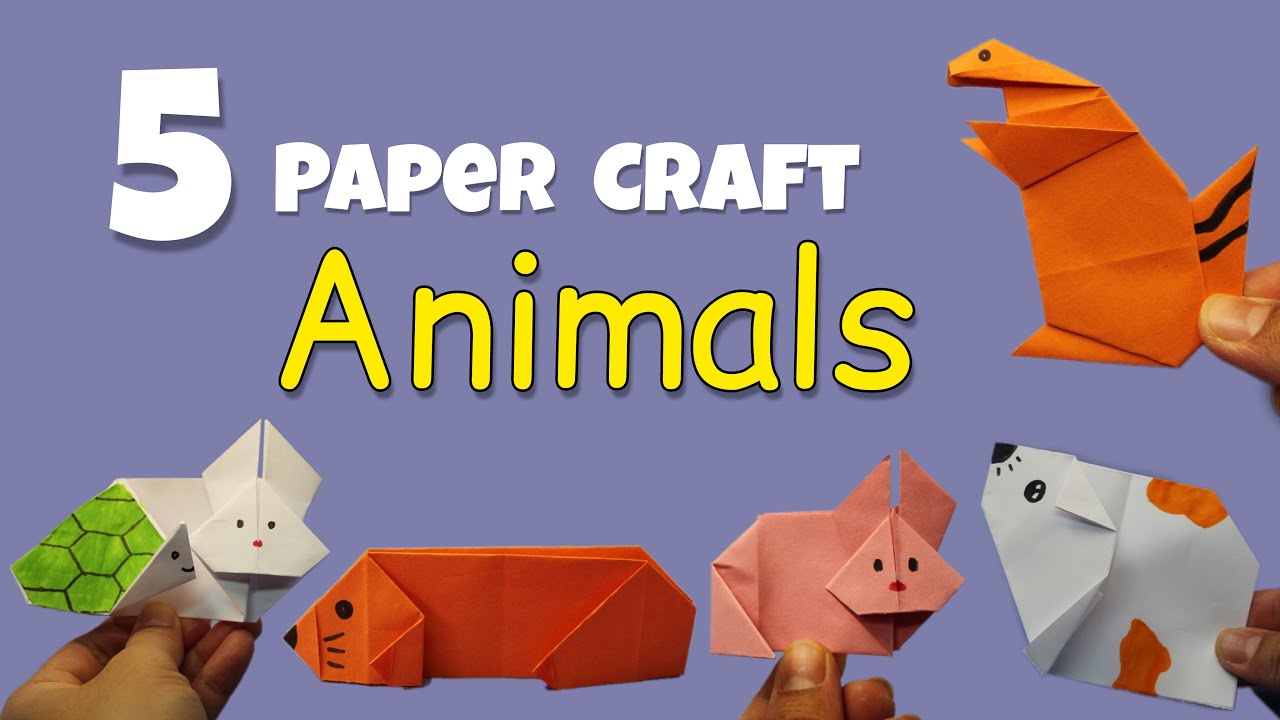
Paper animals are a fascinating aspect of the broad and imaginative world of paper craft, a creative pursuit where paper or card becomes the primary medium for transforming simple sheets into intricate works of art. Whether two-dimensional or three-dimensional, paper animals captivate both children and adults alike with their blend of whimsy, realism, and artistry.
In this article, we delve deep into the world of paper animals — from the cultural history of paper craft to modern-day trends, DIY projects, and the therapeutic benefits this hobby offers. We’ll also explore how these paper creations are more than just decorations—they are educational tools, collectibles, and expressions of personal creativity.
What Is Paper Craft?
Paper craft refers to a broad category of arts and crafts in which paper or card is used to create artistic objects. Unlike origami, which generally uses a single piece of paper with no cuts or glue, paper craft allows for cutting, folding, gluing, painting, and layering.
There are many forms of paper craft, including:
Papercutting – intricate designs cut from a single sheet.
Card modeling – building scale models using paper or card.
Origamic architecture – folding and cutting paper to create three-dimensional structures.
Papier-mâché – a technique using paper and adhesive to build solid sculptures.
3D paper models – complex, layered builds of objects or animals.
Among these diverse styles, paper animals have emerged as one of the most beloved subjects due to their accessibility, aesthetic appeal, and versatility.
The Appeal of Paper Animals
So, why are paper animals so popular in the world of paper craft?
1. Educational and Interactive
Paper animals offer a hands-on way to teach children about wildlife, anatomy, ecosystems, and geography. Teachers often use them in classrooms as fun, engaging educational tools. Students can learn about the different habitats of creatures like polar bears, elephants, or butterflies while building them.
2. Affordable and Accessible
All you need to start creating paper animals is some paper, scissors, glue, and a bit of imagination. This makes it one of the most accessible art forms—perfect for beginners, hobbyists, or those on a budget.
3. Decorative and Functional
From cute origami dogs to life-size cardboard flamingos, paper animals can be used as home decor, party decorations, centerpieces, or even costumes and puppets for performances.
4. Customizable
Paper craft allows for endless personalization. You can paint your paper animals, add textures, or modify templates to create your own species or fantasy creatures like dragons and unicorns.
Types of Paper Animals
The variety within this niche is enormous. Depending on the complexity, purpose, and artistic style, paper animals can fall into several categories:
1. Origami Animals
These are minimalist and elegant creations folded from a single sheet of paper. The traditional origami crane is a classic example. More complex designs include frogs, turtles, and elephants, each with precise folds that mimic natural forms.
2. Papercraft Models
These are templates printed on card stock, cut out, and glued together to form a 3D animal. Papercraft models can be hyper-realistic, abstract, or cartoonish.
3. Pop-Up Animals
Used in greeting cards and books, pop-up paper animals spring to life when the page is opened, combining engineering with art.
4. Papier-Mâché Sculptures
Often used in parades or large-scale art installations, papier-mâché animals are crafted from layers of paper and glue molded around a form, then painted and decorated.
5. Layered Shadow Boxes
These artistic creations stack multiple cut-out layers of paper to form a three-dimensional scene inside a shadow box, often featuring animals in their natural habitats.
Creating Your Own Paper Animals: A Beginner’s Guide
You don’t need to be a professional artist to start crafting paper animals. Here’s a step-by-step guide for beginners:
Materials Needed:
Colored paper or cardstock
Scissors or craft knife
Glue or double-sided tape
Templates (can be downloaded online)
Pencil and ruler (optional)
Cutting mat (for precision and safety)
Step-by-Step Instructions:
Step 1: Choose Your Animal
Start with simple animals like a cat, dog, or fish. You can find free printable templates online or purchase more elaborate designs.
Step 2: Cut and Fold
Use scissors or a craft knife to cut out your animal parts precisely. Fold where indicated—most templates include dotted or dashed lines to guide you.
Step 3: Assemble
Glue the pieces together in the correct order. Take your time to allow each section to dry before moving on.
Step 4: Add Details
Use markers, paint, or stickers to add eyes, fur patterns, or other features that bring your paper animals to life.
Step 5: Display
Frame your paper animals, turn them into mobiles, use them as gift toppers, or simply keep them as part of a growing collection.
Cultural Significance of Paper Animals
Across the globe, paper animals have held significant meaning in various cultures:
– Japan: Origami cranes symbolize peace and healing. It’s a tradition to fold 1,000 cranes for good luck.
– Mexico: In Mexican folk art, colorful papier-mâché alebrijes (fantasy creatures) often include animal features and are central to Day of the Dead celebrations.
– China: Paper tigers and dragons are common in Lunar New Year decorations, symbolizing strength and protection.
– Africa: Some African artists use recycled paper to create stunning wildlife models, highlighting conservation and environmental awareness.
Therapeutic Benefits of Making Paper Animals
Beyond the creative outlet, crafting paper animals has numerous mental health benefits:
– Stress Relief: Focusing on repetitive actions like folding and gluing promotes mindfulness and can reduce anxiety.
– Improved Concentration: Crafting paper animals requires attention to detail, which improves focus over time.
– Boosts Creativity: It encourages imaginative thinking and personal expression.
– Enhances Fine Motor Skills: Especially beneficial for children or seniors working on coordination.
Many therapists now incorporate paper craft into art therapy sessions due to its soothing and constructive nature.
Popular Trends in Paper Animal Crafting
The popularity of paper animals has led to an explosion of creativity online, especially on platforms like Etsy, YouTube, and Instagram. Some current trends include:
1. Low-Poly Paper Animals
These are geometric models that resemble 3D polygons—like a bear made of angular shapes—perfect for modern wall art.
2. Interactive Paper Toys
Paper animals that move, walk, or pop up, combining engineering with design, often used in educational kits for STEM learning.
3. Paper Taxidermy
Mounted paper animal heads (like deer or rhinos) are an ethical and artistic twist on traditional taxidermy.
4. Printable DIY Kits
Creators offer downloadable kits so users can print, cut, and build animals from home.
Environmental Aspect: Eco-Friendly Art
In an era where sustainability matters, paper animals are a green alternative to plastic toys and decorations. Many crafters use:
Recycled paper
Biodegradable adhesives
Vegetable-based inks
Moreover, crafting with paper teaches children and adults the value of repurposing materials and reducing waste.
FAQs About Paper Animals
Q1: What are paper animals made of?
A: Paper animals are primarily made of various types of paper or card stock. Some more complex models may include embellishments like googly eyes, paint, or felt for texture.
Q2: Is making paper animals suitable for kids?
A: Absolutely! Simple origami animals or pre-cut templates are ideal for children and help develop fine motor skills, patience, and creativity.
Q3: Do I need special tools to make paper animals?
A: Not at all. You can start with just scissors, glue, and paper. However, tools like craft knives, scoring boards, and cutting mats can improve precision for advanced projects.
Q4: Where can I find templates for paper animals?
A: Many websites, including Pinterest, Etsy, and crafting blogs, offer free and paid templates. YouTube is also an excellent source for video tutorials.
Q5: Are paper animals good for decorating?
A: Yes! Paper animals can be used for room decor, party themes, weddings, classrooms, and even store window displays. Their versatility and charm make them ideal for any setting.
Q6: How long does it take to make a paper animal?
A: The time varies based on complexity. A simple origami bird may take 5 minutes, while a 3D low-poly lion head could take several hours.
Q7: Can I sell paper animals I make?
A: Yes, many artists sell their handmade paper animals or printable templates online. Just be mindful of licensing if you use someone else’s design.
Q8: What’s the best paper for making paper animals?
A: It depends on the project. Standard printer paper works for origami, while heavier cardstock is best for 3D models or standing sculptures.
Conclusion
Paper animals are a captivating gateway into the world of paper craft, offering a blend of creativity, education, and therapy. With nothing more than sheets of paper and a spark of imagination, you can create a miniature zoo, a decorative forest, or even an army of mythical beasts. Their universal appeal, low cost, and eco-friendly nature make them an excellent hobby for all ages.
Whether you’re a parent looking for fun activities, an educator designing an interactive classroom project, or a hobbyist seeking your next artistic challenge, paper animals are a perfect place to start.