
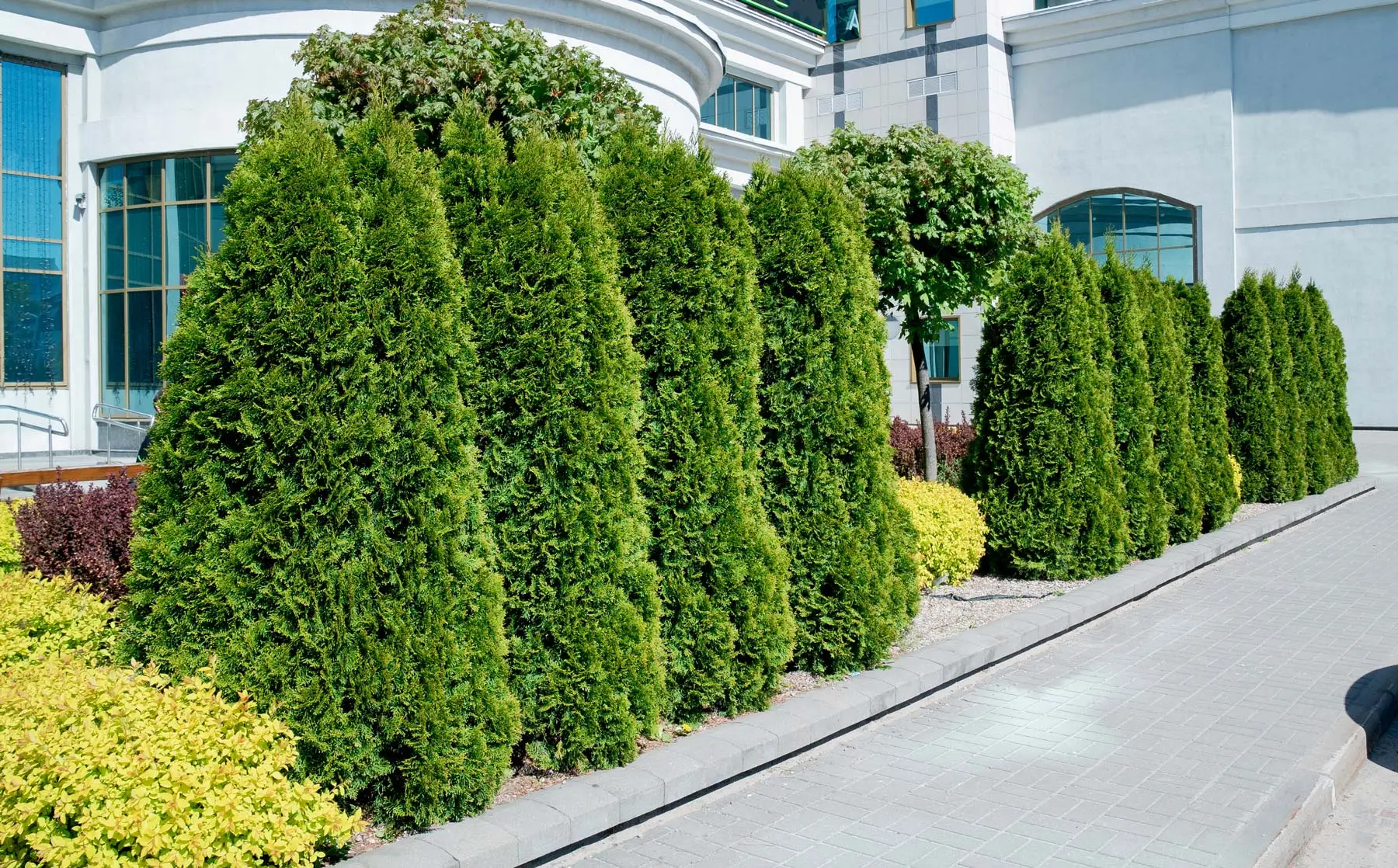
Your backyard trees are more than just landscape features; they are living giants that provide shade, clean the air, and add significant value to your property. Nurturing these assets ensures they remain healthy and strong for years to come. Proper care involves more than just occasional watering; it requires a thoughtful approach to their fundamental needs. By understanding the basics of tree maintenance, you can help your backyard giants thrive.
The Foundation of Health: Proper Watering Techniques
Water is essential for a tree’s survival, but both too much and too little can cause serious problems. The key is to provide deep, infrequent watering that encourages a robust root system.
How Much and How Often?
For newly planted trees, regular watering is critical to help them establish. They typically need water every few days for the first couple of months. Mature, established trees, on the other hand, have extensive root systems and are more resilient. They usually require a deep soaking only during extended dry spells or periods of extreme heat. A general guideline is to provide about 10 gallons of water for every inch of the trunk’s diameter.
Best Practices for Watering
Instead of a quick spray with a hose, allow water to soak slowly into the ground around the base of the tree. A soaker hose or a drip irrigation system works well for this. This method ensures water penetrates deep into the soil, reaching the entire root zone rather than just the surface. Water in the early morning to minimize evaporation and allow the tree to absorb moisture throughout the day.
Feeding Your Trees: The Role of Mulch and Nutrients
Just like any living organism, trees need nutrients to grow strong. While many trees can pull what they need from the surrounding soil, a little help can go a long way.
The Benefits of Mulching
Applying a layer of organic mulch around the base of your tree is one of the most beneficial things you can do. Mulch helps retain soil moisture, suppresses weeds that compete for resources, and regulates soil temperature. As organic mulch like wood chips or shredded bark breaks down, it enriches the soil with essential nutrients.
Apply a 2- to 4-inch layer of mulch in a wide circle around the tree, but be sure to keep it a few inches away from the trunk itself. Piling mulch directly against the bark can trap moisture and lead to rot and disease.
When to Fertilize
Most established trees in a residential landscape do not require regular fertilization. However, if your tree shows signs of poor health, such as yellowing leaves or stunted growth, a soil test can determine if it has a nutrient deficiency. If fertilization is necessary, use a slow-release fertilizer in the spring to support healthy development.
Pruning for Structure and Safety
Pruning is a vital part of tree care that shapes growth, removes hazardous limbs, and improves overall health.
Why Pruning Matters
Strategic pruning helps improve a tree’s structure and directs its growth. It involves removing dead, diseased, or damaged branches that can pose a safety risk and harbor pests. Thinning the canopy also allows for better air circulation and sunlight penetration, which reduces the likelihood of fungal diseases.
The Right Time to Prune
The best time to prune most deciduous trees is during their dormant season in late fall or winter. This is when the tree’s structure is most visible, and the cuts are less likely to stress the tree. Avoid heavy pruning in the spring when the tree is actively growing. For significant trimming or the removal of large, high-risk branches, it is always safest to consult a professional. If you have a complex job or feel uncertain, an expert tree service in Logan can assess the situation and perform the work safely.
Regular Inspections for Early Problem Detection
Consistently checking on your trees allows you to spot potential issues before they become severe. Look for changes in leaf color, thinning foliage, cracks in the bark, or signs of insect infestations. Catching problems early often makes them easier and less costly to resolve, ensuring your backyard giants remain a beautiful and healthy part of your landscape for decades.