
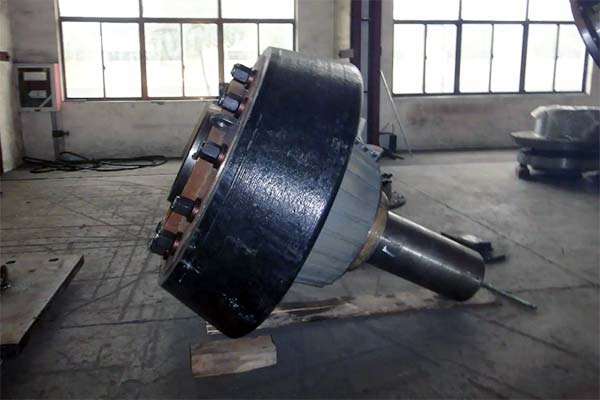
When it comes to cement production, mining, or other heavy industrial applications, the Vertical roller mill is a powerhouse. Known for its high efficiency and low energy consumption, it’s a key piece of machinery in grinding raw materials. But like any high-performance equipment, it’s only as good as its wear parts — particularly the rollers and liners.
If you’ve been wondering how to choose the right materials for these components, you’re in the right place. Let’s break down the essentials of Vertical roller mill wear parts, what affects their lifespan, and how Cementl is helping industries get the best results.
Why Wear Parts Matter in a Vertical Roller Mill
The rollers and liners inside a Vertical roller mill are constantly in contact with abrasive materials. This means they’re subject to:
- High pressure
- Friction
- Heat
- Continuous impact
If the materials used for these wear parts aren’t up to the task, you’ll face reduced efficiency, costly downtime, and frequent replacements.
Common Materials for Rollers & Liners
Choosing the right material for rollers and liners is about balancing durability, cost, and performance. Here are the most common options:
1. High Chromium Cast Iron
- Pros: Excellent wear resistance, great for grinding hard and abrasive materials.
- Cons: Can be brittle under certain shock loads.
- Best For: Cement, slag, and other abrasive feed materials.
2. Ni-Hard Alloy
- Pros: Good combination of wear resistance and impact toughness.
- Cons: Heavier than other materials, may increase energy consumption slightly.
- Best For: Medium-hard raw materials.
3. Hardfaced Weld Overlays
- Pros: Cost-effective way to extend the life of existing rollers and liners.
- Cons: Requires regular maintenance to reapply the hardfacing layer.
- Best For: Operations that prefer refurbishing parts instead of replacing them outright.
Factors That Affect Wear Part Performance
Not all Vertical roller mill operations are the same. Here are a few factors that can drastically impact roller and liner performance:
- Feed Material Hardness – Harder materials cause faster wear.
- Moisture Content – High moisture can cause sticking and uneven wear.
- Grinding Pressure – Excessive pressure may improve output but wear parts faster.
- Operational Settings – Incorrect settings can cause localized wear and reduced efficiency.
The Role of Cementl in Quality Wear Parts
Cementl has built a reputation for delivering high-quality wear parts for Vertical roller mills that perform reliably under tough conditions. Their products are engineered using advanced metallurgy to:
- Increase wear resistance
- Reduce downtime
- Optimize grinding efficiency
By offering both OEM-spec replacement parts and custom-engineered solutions, Cementl helps plants find the right balance between cost and performance.
Signs It’s Time to Replace Rollers or Liners
Even the best wear parts have a lifespan. Look for these warning signs:
- Reduced grinding efficiency
- Uneven product particle size
- Visible cracks or deep grooves in the rollers or liners
- Increased vibration or noise during operation
Ignoring these signs can lead to major breakdowns and costly production delays.
Tips for Maximizing Wear Part Life
To get the most from your rollers and liners:
- Use the right material for your specific application.
- Maintain optimal mill settings to reduce unnecessary stress.
- Implement regular inspections to catch wear early.
- Consider hardfacing to refurbish worn parts instead of replacing them entirely.
Vertical Roller Mill: Efficiency Starts with the Right Parts
While the Vertical roller mill is an efficient and powerful machine, it relies heavily on the quality of its wear parts. The right roller and liner materials can mean the difference between smooth, efficient operation and constant maintenance headaches.
With brands like Cementl offering advanced, high-performance wear parts, plants can run longer, produce more, and reduce overall costs.
Final Thoughts
In heavy industry, downtime is expensive — sometimes more costly than the parts themselves. Choosing the right materials for your Vertical roller mill rollers and liners isn’t just a maintenance decision; it’s a production strategy.
By investing in wear parts designed for your specific needs — like those from Cementl — you can ensure consistent performance, reduced downtime, and long-term savings.