
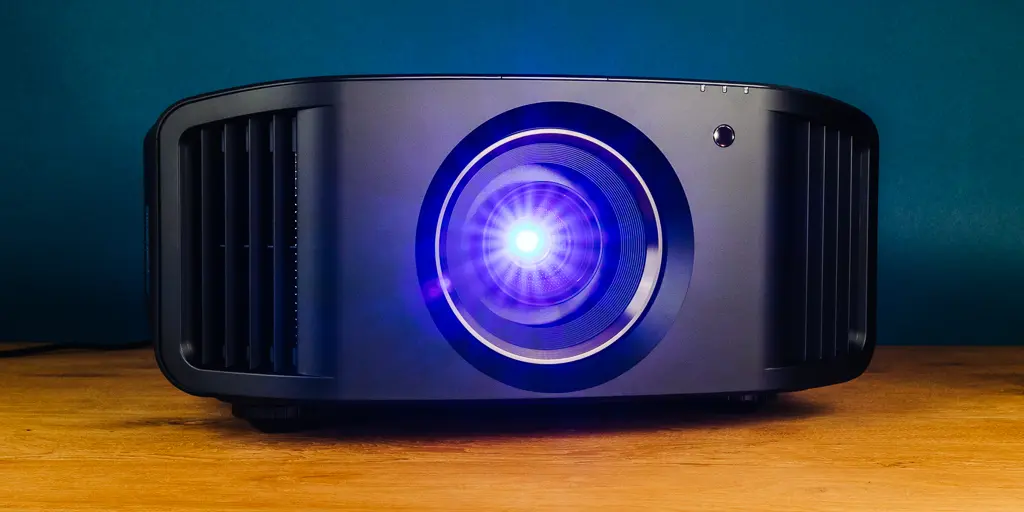
Projectors are no longer just for classrooms, large offices, or cinemas. Advancements in display technology have now made them more affordable and accessible. Therefore, many people use them for home entertainment, gaming, outdoor movie nights, and business meetings.
However, the introduction of different types, such as Laser, LCD, and DLP projector, has made it difficult to choose the best one. You may get confused and end up choosing a display system that cannot accommodate your specific needs. Therefore, you shouldn’t rush the decision and consider everything before making a final call. Today, we will tell you what you must consider when choosing a projector.
Key Things to Consider When Choosing a Projector
Your Requirements
Before exploring technical features, you should first figure out why you need the projector. You must decide whether you use it for home theater, gaming, business presentations, or outdoor movie nights. Each use requires different features.
For example, if you want to watch movies in a dark room, you’ll need a projector that offers accurate colors and deep contrast. On the other hand, for business presentations in bright conference rooms, you’ll need a system that handles light well and offers clear images. Once you know your requirements, it will be easy to find a unit that can accommodate them.
Brightness
It is one of the most important things to consider when picking a projector. It’s measured in lumens. If you are planning to use the projector in a dark room, you can go with a model that has 1500 to 2500 lumens. However, if you have to use it in a well-lit room or outdoor spaces during the day, look for a projector with 3000 lumens or more.
If the projector isn’t bright enough, the picture will not look clear, especially in rooms with lots of light. Therefore, you should always match the projector’s brightness to the viewing environment.
Resolution and Picture Quality
Resolution affects how clear and detailed your images will be. A higher resolution means a sharper display. If you love watching movies or playing video games, go for at least Full HD (1920×1080) resolution. If you want a crystal-clear display on bigger screens, 4K projectors (3840×2160) are a great choice.
Contrast Ratio
It refers to the difference between the darkest black and the brightest white a projector can produce. A higher contrast ratio means better picture depth and color accuracy. This becomes very noticeable when watching movies with a lot of shadow details or scenes set at night.
For example, a contrast ratio of 10,000:1 will show more detail in dark scenes. It is particularly important when using the projector in a dark room.
Projection Technology
Understanding the type of projection technology can help you make an informed decision. There are three main types of projectors based on their projection technology.
DLP Projector: It uses tiny mirrors to reflect the light beam and display content. It is great for fast motion because it offers smooth images and good contrast. It is usually more compact and has fewer parts.
LCD Projector: This display system uses liquid crystal panels. It usually gives brighter images with better color accuracy, which is good for presentations.
LED Projector: It involves using LED lamps instead of traditional bulbs, which makes it more energy-efficient and longer-lasting.
Each type has its specific benefits. You should choose one based on whether you value color accuracy, long life, or smooth video playback.
Throw Distance and Screen Size
Throw distance is the space between the projector and the screen. Some projectors need to be placed far away to project a large image. Meanwhile, short-throw or ultra-short-throw projectors can produce a large image from just a few feet of distance. If your room is small, a short-throw projector may be the right fit.
You should always check the product’s throw ratio, which tells you how wide the image will be from a certain distance. You should plan your setup area ahead of time. It will help you avoid surprises and ensure the picture fits your screen perfectly.
Choosing the perfect projector for your space is no longer a hassle. All you have to do is to consider the aforementioned factors. This will help you find a display system that can accommodate your specific needs.
 MK Digital.co
  IQnewswire