
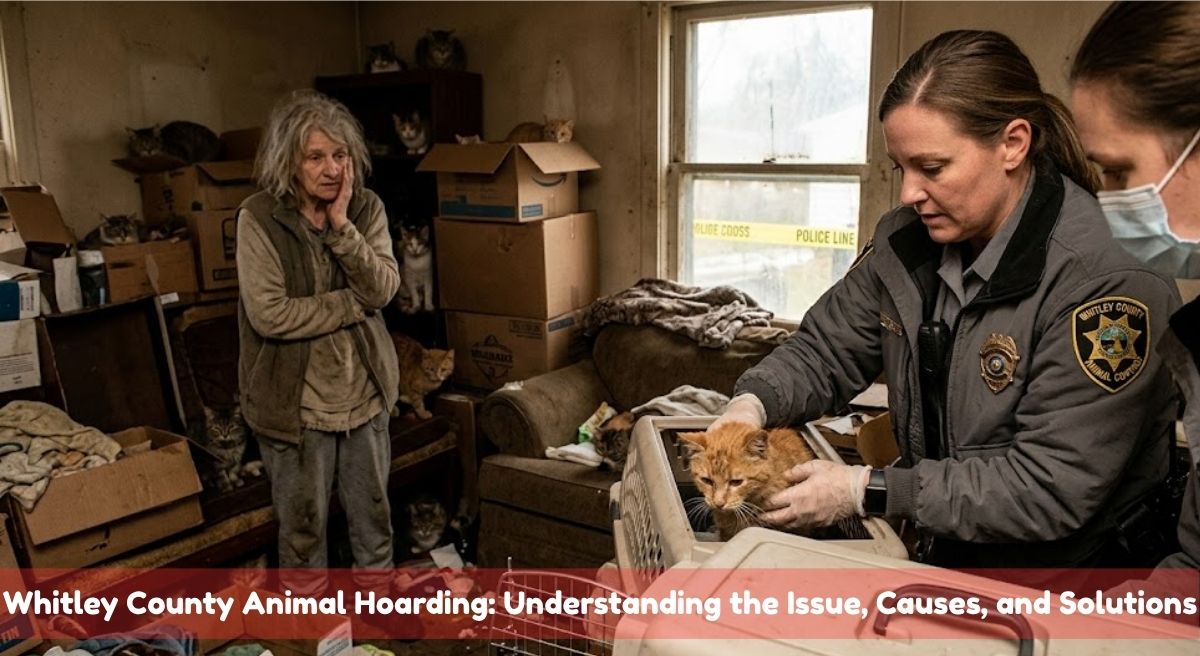
Animal hoarding is a serious and often misunderstood issue that affects communities across the world. One notable case that has drawn attention is Whitley County animal hoarding, which highlights the complexities surrounding animal welfare, mental health, and legal enforcement. While many people associate hoarding with collecting objects, animal hoarding involves the accumulation of a large number of animals without the ability to provide adequate care. This leads to unsafe living conditions for both the animals and the individuals involved.
The situation in Whitley County sheds light on the broader challenges faced by authorities and animal welfare organizations. From overcrowded homes to neglected pets suffering from malnutrition and disease, the consequences can be devastating. Understanding the root causes and recognizing the warning signs are essential steps in preventing such incidents in the future.
This article explores the issue of Whitley County animal hoarding in depth, including its causes, impacts, legal aspects, and possible solutions. By raising awareness, communities can work together to protect both animals and people from the harmful effects of hoarding.
What Is Animal Hoarding?
Animal hoarding is defined as keeping a large number of animals in conditions that fail to meet their basic needs. Unlike responsible pet ownership, hoarding involves neglect, denial, and an inability to provide proper food, shelter, and medical care.
In cases like Whitley County animal hoarding, individuals often believe they are rescuing animals, even when the situation becomes harmful. This psychological aspect makes it difficult to address the problem, as hoarders may resist help or intervention.
Animal hoarding is not limited to any specific type of animal. Dogs, cats, birds, and even farm animals can be involved. The key characteristic is the overwhelming number of animals and the deteriorating conditions in which they live.
The Whitley County Animal Hoarding Case
The Whitley County animal hoarding situation brought attention to the urgent need for stricter animal welfare enforcement. Authorities discovered dozens—or sometimes even hundreds—of animals living in unsanitary and overcrowded environments.
In many such cases, homes are filled with waste, strong odors, and limited space for animals to move freely. The animals often suffer from untreated illnesses, parasites, and malnutrition. Unfortunately, many do not survive the ordeal.
This case also highlighted the challenges faced by local authorities, including limited resources and the difficulty of identifying hoarding situations early. Community awareness played a key role in bringing the issue to light.
Causes of Animal Hoarding
Animal hoarding is often linked to underlying psychological conditions. Individuals may suffer from disorders such as obsessive-compulsive disorder (OCD), depression, or trauma-related issues.
In the context of Whitley County animal hoarding, several factors may contribute:
- Emotional attachment to animals
- Fear of abandonment or loss
- A desire to “rescue” animals
- Lack of awareness about proper animal care
These factors create a cycle where the individual continues to collect animals despite worsening conditions. Without intervention, the situation can quickly spiral out of control.
Signs of Animal Hoarding
Recognizing the signs of animal hoarding is crucial for early intervention. Common indicators include:
- A large number of animals in a small space
- Strong odors of urine and feces
- Animals appearing sick, malnourished, or injured
- Lack of proper food, water, or shelter
- Denial of the problem by the owner
In Whitley County animal hoarding cases, neighbors and community members often notice these signs before authorities do. Reporting concerns can help prevent further harm.
Impact on Animals
The most immediate victims of animal hoarding are the animals themselves. In overcrowded environments, they compete for limited resources, leading to starvation and disease.
Animals may suffer from:
- Malnutrition
- Infections and untreated injuries
- Behavioral issues due to stress
- Lack of socialization
In severe Whitley County animal hoarding situations, animals may even resort to aggression or self-harm due to extreme stress and neglect.
Impact on Humans
Animal hoarding does not only affect animals—it also has serious consequences for humans. The individual involved may face health risks due to unsanitary conditions, including respiratory issues and infections.
Additionally, family members and neighbors may be affected by:
- Strong odors and environmental hazards
- Increased risk of disease transmission
- Emotional distress
The Whitley County animal hoarding case demonstrated how such situations can impact entire communities, not just the individuals directly involved.
Legal Consequences
Animal hoarding is often considered a form of animal cruelty and is subject to legal action. Laws vary by region, but penalties may include fines, imprisonment, and restrictions on owning animals in the future.
In Whitley County animal hoarding cases, authorities may seize animals and pursue charges against the individual responsible. However, legal action alone may not address the underlying psychological issues.
This is why many experts advocate for a combined approach that includes legal enforcement and mental health support.
Role of Animal Welfare Organizations
Animal welfare organizations play a critical role in addressing hoarding cases. They assist in rescuing animals, providing medical care, and finding new homes.
In situations like Whitley County animal hoarding, these organizations often face significant challenges, including:
- Limited funding and resources
- Overcrowded shelters
- The need for specialized care for rescued animals
Despite these challenges, their efforts are essential in ensuring that animals receive the care they need.
Rehabilitation of Hoarders
Addressing animal hoarding requires more than just removing animals from the environment. Rehabilitation of the individual involved is crucial to prevent recurrence.
This may include:
- Psychological counseling
- Support groups
- Education on responsible pet ownership
In Whitley County animal hoarding cases, long-term solutions depend on helping individuals understand and overcome their behavior.
Preventing Animal Hoarding
Prevention is key to reducing the occurrence of animal hoarding. Community awareness and education can help identify and address issues early.
Effective prevention strategies include:
- Public awareness campaigns
- Encouraging responsible pet ownership
- Providing access to mental health resources
- Strengthening animal welfare laws
The lessons learned from Whitley County animal hoarding emphasize the importance of proactive measures.
Community Involvement
Communities play a vital role in preventing and addressing animal hoarding. Neighbors, friends, and local organizations can help identify warning signs and report concerns.
In many Whitley County animal hoarding cases, community members were the first to notice problems. Their willingness to speak up helped authorities intervene before conditions worsened further.
Encouraging open communication and reducing stigma around mental health can make a significant difference.
Challenges in Addressing Hoarding Cases
Animal hoarding cases are complex and difficult to resolve. Some of the main challenges include:
- Resistance from the individual involved
- Limited resources for animal care
- Legal and procedural hurdles
- Recurrence of hoarding behavior
The Whitley County animal hoarding situation highlights the need for a coordinated approach involving multiple agencies.
The Importance of Awareness
Raising awareness about animal hoarding is essential for prevention and early intervention. Many people are unaware of the signs and consequences of hoarding.
By educating the public, communities can:
- Recognize warning signs
- Report concerns promptly
- Support affected individuals and animals
The more people understand issues like Whitley County animal hoarding, the better equipped they are to address them.
Conclusion
The issue of Whitley County animal hoarding serves as a powerful reminder of the challenges associated with animal welfare and mental health. It is not just a case of neglect—it is a complex problem that requires compassion, understanding, and coordinated action.
By addressing the root causes, supporting affected individuals, and strengthening community involvement, it is possible to prevent future cases. Protecting animals and ensuring their well-being is a shared responsibility that requires collective effort.
Through awareness, education, and intervention, communities can work toward a future where animal hoarding is no longer a widespread issue.
FAQs
What is animal hoarding?
Animal hoarding is the accumulation of a large number of animals without the ability to provide proper care, leading to neglect and unsafe conditions.
Why do people engage in animal hoarding?
It is often linked to psychological issues such as OCD, trauma, or a desire to rescue animals, combined with denial of the problem.
What are the signs of animal hoarding?
Common signs include overcrowded living spaces, strong odors, sick or malnourished animals, and lack of proper care.
Is animal hoarding illegal?
Yes, it is typically considered a form of animal cruelty and can result in legal penalties, including fines and imprisonment.
How can animal hoarding be prevented?
Prevention involves community awareness, education, mental health support, and strong animal welfare laws.
What should I do if I suspect animal hoarding?
You should report your concerns to local authorities or animal welfare organizations so they can investigate and take appropriate action.