
Clean water is supposed to travel in one direction, from the public supply through your plumbing and out of a fixture. When that flow reverses, it is called backflow. Understanding backflow prevention in Frederick MD can help homeowners, landlords, property managers, and business owners protect their own plumbing and the shared drinking water system.
Frederick properties range from historic homes near downtown to newer neighborhoods, restaurants, offices, and commercial facilities. Each can have plumbing features that create cross-connections, especially where hoses, irrigation, boilers, pools, or water-using equipment are involved.
Why Backflow Matters
Backflow occurs when water or another substance moves backward into a potable water line. If that reverse flow passes through an unprotected connection, it can bring in dirt, lawn chemicals, cleaning products, wastewater, or other contaminants. Cross-connection control is important because a single private plumbing issue can affect multiple fixtures or properties.
Quick fact: A cross-connection is any actual or potential link between drinking water piping and a source of nonpotable water or contaminants. The City of Frederick includes a backflow test form and notice among its residential plumbing resources, which is a reminder that device documentation and compliance can be part of property ownership.
Requirements can vary based on the type of property, the equipment present, and the degree of hazard. Maryland’s drinking water oversight is administered through the state program that enforces public water system requirements, while local authorities and water providers may establish the details that apply to a particular connection.
How Backflow Happens
Backsiphonage
Backsiphonage occurs when water pressure in the supply line drops, creating a suction effect. A water main break, firefighting demand, or plumbing work can contribute to a pressure change. If a hose is submerged in a pool, bucket, mop sink, or chemical container at that moment, it can become a pathway back to the drinking water line.
Backpressure
Backpressure occurs when the pressure inside a private system exceeds the pressure in the incoming water supply. Pumps, boilers, irrigation equipment, and certain commercial systems can create this condition. Think of two connected hoses, where one side is being pushed harder than the other. Water will move toward the lower-pressure side unless the connection is properly protected.
Common Cross-Connection Risks
Cross-connections are often ordinary features that become risky because of their placement or use. Common examples include:
- Garden hoses left in pools, buckets, tubs, or chemical solutions.
- Lawn irrigation systems and outdoor faucets.
- Boilers and hydronic heating equipment.
- Fire sprinkler systems.
- Swimming pools, spas, and decorative water features.
- Private wells, rainwater systems, or ponds connected to indoor plumbing.
- Commercial washing, processing, and chemical-use equipment.
- Utility sinks and hose-connected appliances.
A garden hose may look harmless, but it should never be treated casually. Keeping its end above the water level is a simple habit that can eliminate a common source of backsiphonage risk.
Common Backflow Prevention Devices
Air Gaps
An air gap is an unobstructed physical space between a water outlet and the container receiving water. Because there is no direct connection, contaminated liquid cannot travel backward through the outlet.
Hose Bibb Vacuum Breakers
These small devices attach to many outdoor faucets and some utility connections. They help prevent a hose from siphoning water backward, although they are not a substitute for every required backflow assembly.
Pressure Vacuum Breakers, Double Checks And RP Assemblies
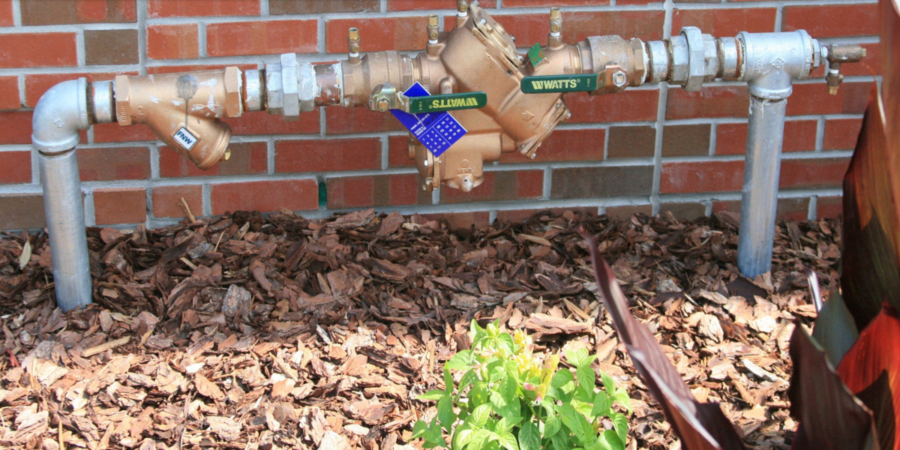
Pressure vacuum breakers are commonly used with irrigation systems. Double check valve assemblies may be used for certain lower-hazard conditions. Reduced pressure zone assemblies, often called RP assemblies, are designed for higher-risk situations. Proper selection depends on the hazard, plumbing layout, and applicable requirements, so device choice should not be based on convenience alone.
Homeowner Safety Checklist
- Keep hose ends above the highest possible water level.
- Never place a hose in a pool, bucket, pet bowl, tub, or chemical container.
- Check outdoor faucets for missing, damaged, or leaking vacuum breakers.
- Maintain irrigation equipment and address visible leaks promptly.
- Do not directly connect a well, rain barrel, or pond system to household plumbing without approved protection.
- Review tags, test notices, and service records for installed assemblies.
- Ask the water provider or a qualified plumbing professional about applicable testing requirements.
Business And Property Manager Checklist
Commercial properties may have more plumbing connections and greater hazards than a typical residence. Restaurants, medical offices, multifamily buildings, warehouses, and landscape-heavy properties should maintain a clear backflow plan.
- List every water-connected system and piece of equipment.
- Identify irrigation, fire protection, heating, process-water, and chemical-use connections.
- Keep assemblies accessible for testing, repair, and inspection.
- Track test reports, repair invoices, notices, and certification records.
- Assign one person or team to schedule required service.
- Review plumbing changes before connecting new equipment.
- Train staff not to bypass, cover, or alter protective devices.
Testing And Maintenance Basics
A visual check can reveal corrosion, leaks, damage, or an expired tag, but it does not prove that a testable assembly performs correctly. Testable devices should be evaluated by a qualified professional when required. Testing schedules vary, and an assembly that worked properly during one inspection can still develop problems later.
Protect devices from freezing conditions, physical impacts, blocked relief ports, and neglected repairs. Keep copies of reports because good records make it easier to respond to notices, plan maintenance, and verify that corrections were completed.
Warning Signs Of A Problem
- Water leaking from an assembly or faucet connection.
- Constant discharge from a relief valve.
- Rust, cracks, freeze damage, or other visible deterioration.
- Unexpected changes in water pressure.
- Unusual water odor, taste, or discoloration.
- A failed test result, expired inspection tag, or utility notice.
If the water quality is questionable, avoid using it for drinking or food preparation until you receive guidance from the water provider or an appropriate professional. Do not attempt to dismantle a regulated assembly without the training and authorization to do so.
Common Questions About Backflow
Can a garden hose cause backflow?
Yes. A submerged hose can allow contaminated water to be drawn backward if pressure drops.
Does every Frederick home need a backflow preventer?
Not necessarily. The need depends on the property’s plumbing, equipment, hazard level, and local requirements.
How often should a device be tested?
Testing frequency depends on the specific assembly and the rules that apply to the property. Confirm the current schedule with the relevant authority or water provider.
What happens if a device fails?
It may need repair or replacement, followed by a new test and any required reporting. Prompt action helps restore protection and prevent compliance issues.
Final Takeaway
Backflow prevention starts with practical habits, including keeping hoses out of standing water, maintaining irrigation equipment, and taking inspection notices seriously. For Frederick property owners, proper device selection, routine testing when required, and timely repairs can help protect private plumbing and the broader community water supply.
 MK Digital.co