
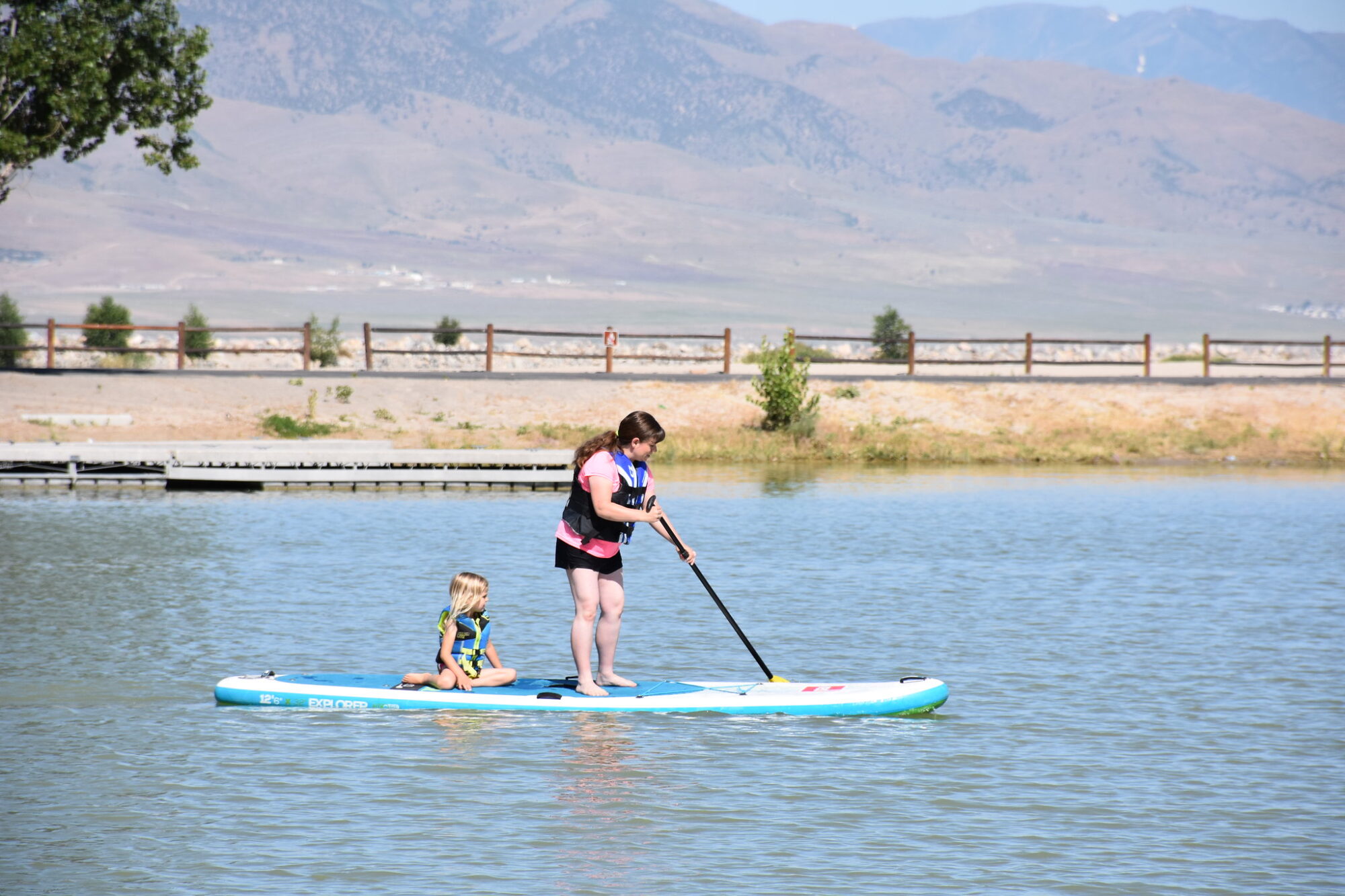
Utah lake days can range from a quiet paddle near the shore to a full afternoon of swimming, fishing, tubing, and sightseeing beneath red-rock cliffs or mountain peaks. Whether you bring your own craft or arrange boat rentals in Utah, a little preparation helps everyone spend less time solving problems at the ramp and more time enjoying the water.
Conditions can feel very different from one Utah reservoir to another. Open water may become windy, shorelines can be rocky or steep, and temperatures on land do not always reflect how cold the water feels. A smart plan accounts for the least experienced person in the group, gives everyone a clear role, and leaves room to change course when conditions do.
Why Planning Matters
A lake day does not need a minute-by-minute itinerary, but it does need a few decisions made before the vehicle is loaded. The right plan prevents common delays, such as arriving without enough life jackets, discovering the ramp is inaccessible, or realizing no one packed drinking water. It also makes it easier to respond calmly if the weather shifts or a guest needs to leave early.
A short morning outing may require little more than basic safety equipment, water, and a return time. A full-day trip involving a boat, paddleboards, tow sports, children, or several vehicles needs a clearer plan for parking, food storage, supervision, and communication. Keep the plan simple, then remain willing to cancel an activity that no longer fits the conditions.
Choose the Right Spot for the Group
Choose a destination based on the group, not only on the scenery. Beginners and families may appreciate a calm cove, a gradual shoreline, nearby restrooms, and an easy place to take breaks. More experienced boaters may prioritize a usable ramp, adequate parking, open-water room, or access to fishing areas.
Before departing, review boat-ramp conditions if you plan to launch a vessel. Water levels and ramp access can change, and exposed shoreline features may affect navigation. Also check the location’s hours, day-use rules, launch fees, swimming areas, pet policies, and cell coverage. A beautiful location is not the best choice if the newest member of your group will feel overwhelmed there.
Useful questions to ask before choosing a lake
- Is there enough parking for trailers, trucks, or multiple cars?
- Are restrooms, shade, picnic areas, or a designated swim zone available?
- Can less confident swimmers stay close to shore?
- Will the group need a marina, a ramp, or a rental pickup location?
- Does everyone understand the route back to the access point?
Check the Weather Before Leaving
Look beyond the temperature forecast. Check wind, storm chances, visibility, heat, and air quality before leaving home, then continue watching the sky during the day. Utah’s open reservoirs can become choppy when wind builds, even if the morning began calm. Set a clear turnaround rule in advance, such as leaving the water at the first sign of thunder, strong gusts, or deteriorating visibility.
The National Weather Service advises people to move indoors when thunder is heard, so make lightning safety part of the group’s plan rather than an afterthought. Identify a safe place to wait out changing conditions, and bring a backup option such as a scenic drive, a picnic under shelter, or an early meal in town.
Pack the Right Safety Gear
Safety gear only works when it is available quickly. Store it where people can reach it without moving towels, coolers, or bags. Every person using a vessel should have a properly sized, serviceable life jacket, and everyone should know where it is before departure. Wear life jackets while underway and during activities where an unexpected fall into the water is possible.
- Properly fitted life jackets for all guests.
- A throwable flotation device when it is required or appropriate for the vessel.
- A charged phone in a waterproof case or dry bag.
- A first-aid kit, whistle, flashlight, and basic repair supplies.
- Extra drinking water, sunscreen, hats, and dry clothing.
- A small waterproof bag for keys, identification, medications, and emergency items.
Match Activities to the Group
Plan activities according to skill level, attention span, and comfort in the water. A group can enjoy both quiet and active time, but do not combine them carelessly. Keep swimmers well away from moving watercraft, designate boundaries for paddleboards and kayaks, and avoid assuming that everyone can supervise at once.
For children, assign one adult as the active water watcher at a time. That person should not be preparing food, taking photos, or scrolling on a phone. Keep young children within arm’s reach near docks, ramps, and shorelines, where slips and sudden drop-offs can happen. Build in breaks for snacks, shade, and calm conversation so fatigue does not quietly take over the day.
Plan for Food, Water, and Sun
Bring more water than you expect to need, especially for high-elevation destinations and long afternoons in direct sun. Pack easy foods that stay cold and do not require complicated preparation, such as sandwiches, fruit, vegetables, trail mix, and protein-rich snacks. A sealed cooler and separate trash bag keep the boat, beach, and vehicle more manageable.
Sun protection deserves the same attention as lunch. Pack sunscreen, sunglasses, light layers, and hats, then create shade whenever possible. Store medications in a cool, dry place that remains easy to reach. Keep wrappers, cans, fishing line, and food scraps contained so they do not end up along the shore or in the water.
Create a Simple Emergency Plan
Tell someone who is not on the trip where you are going, which access point you will use, and when you expect to return. Save the exact location in your phone before service becomes unreliable. At the lake, point out the life jackets, first-aid kit, phone, vehicle keys, and nearest safe landing area.
Brief the group in plain language: who watches children, who operates the watercraft, who calls for help, and what everyone should do if someone falls in or becomes separated. The plan does not need to be dramatic. It only needs to be short enough that every person can remember it.
Respect the Waterway
Follow posted speed limits, marked zones, and launch procedures. Give swimmers, anglers, paddlers, wildlife, and other boaters plenty of room. Use established ramps, trails, beaches, and parking areas rather than creating new paths that damage shoreline vegetation.
Before leaving, collect every piece of trash and inspect the area around your parking spot. If local aquatic invasive species rules apply, clean, drain, and dry equipment as directed. Responsible cleanup protects Utah’s reservoirs and helps keep future lake days enjoyable for the next group.
Use a Quick Departure Checklist
- Weather and water conditions checked.
- Life jackets fitted and easy to reach.
- Phone charged and protected.
- Food, water, sunscreen, and dry clothing packed.
- Local rules, access details, and parking plans reviewed.
- Emergency contact informed of the destination and return time.
- Trash bags and cleanup supplies included.
A great Utah lake day is built on a few reliable habits: choose a suitable location, prepare the essentials, watch conditions, and put the group’s safety ahead of the schedule. With a flexible plan in place, there is more freedom to relax, explore, and enjoy the water together.