
Stairs are something most of us use every day without giving them a second thought—at home, at work, in schools, and in public buildings. They’re such a normal part of our environment that we often forget they’re also one of the most common places where slips, trips, and falls occur. Whether it’s a teenager running down the stairs while running late or an employee carrying a stack of documents between floors, one misstep can lead to a serious injury. That’s why the conversation around stair safety is becoming more important than ever.
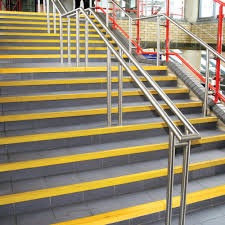
One of the simplest and most effective solutions is the installation of anti-slip stair nosings. These small, often overlooked additions can make a significant difference in preventing accidents and enhancing overall safety for everyone who uses a staircase.
Why Stair Safety Matters More Than You Think
We often assume that accidents occur only in high-risk environments, such as factories or construction sites, but stair-related injuries are surprisingly common everywhere. Homes often experience slip incidents, frequently involving children, older adults, or even pets that lose their footing on polished wooden stairs. Workplaces aren’t any different. Offices with smooth tile steps, retail shops with worn flooring, and warehouses where people frequently carry heavy items all face the risk of unexpected slips and falls.
The reality is that stairs become more hazardous when surfaces are smooth, worn, wet, or when lighting is poor. Even small design details—like the edge of the stair not being clearly visible—can dramatically increase the risk of falling. Recognizing these hazards is the first step toward creating safer environments.
Anti-slip nosings help reduce the risk by providing grip, increasing visibility, and reinforcing the structural integrity of each stair edge. In both residential and commercial settings, they are a cost-effective upgrade that can significantly reduce accidents and liability.
How Anti-Slip Stair Nosings Make a Difference
What makes stair nosings so effective is that they address multiple safety issues simultaneously. They don’t just add traction—they create a more stable and predictable walking experience. Think of them as the seatbelt of the staircase—simple, unobtrusive, but absolutely essential when it comes to preventing harm.
1. They Improve Traction Where It Matters Most
The front edge of a stair, known as the “nosing,” is the area on which people step most often. Because of constant pressure, it’s also where flooring materials wear out the fastest. Once that edge becomes smooth, slippery, or rounded, the chances of losing footing increase dramatically.
Anti-slip stair nosings solve this issue by providing a textured or high-friction surface that creates a better grip, even when the stairs are wet. In homes, this could mean preventing slips after mopping or during rainy days when kids run in with their shoes still wet. In workplaces, it helps reduce accidents caused by spills, adverse weather conditions, or high foot traffic.
2. They Make Stairs Easier to See
Visibility is something people rarely consider, yet it plays a significant role in preventing falls. Bright or contrasting nosings help define the edge of each step, making it easier for people to judge depth and distance. This is especially helpful:
- In dim hallways
- Outdoors, where lighting changes during the day
- In industrial settings with dust or glare
- For older adults who need clearer visual cues
Even in a modern home with sleek interior design, adding a subtle contrast on stairs can guide footsteps more safely.
This improved visibility ties into broader conversations about public safety, design standards, and accessibility—topics that are increasingly important in modern building practices. Many regulations also align with universal design principles, which emphasize creating spaces that work for people of all ages and abilities. This includes everyone from children learning to navigate stairs to aging adults who may have reduced vision or balance.
3. They Protect the Stair Structure From Wear and Tear
Every staircase takes a beating over time. Heavy foot traffic, dragging items up and down, repeated cleaning, and environmental factors can all contribute to premature wear and tear. When the edge of a stair becomes chipped or worn down, it becomes not just unsightly but dangerous.
Stair nosings act as a protective barrier, absorbing much of the impact and friction that would otherwise damage the stair itself. This is especially beneficial in commercial buildings, apartments, schools, and service facilities where thousands of footsteps cross the stairs each week.
For homeowners, this protection helps keep stairs looking new for longer, which is especially important if you have wooden treads that can be expensive to repair or refinish.
Where Anti-Slip Stair Nosings Are Most Useful
While it’s easy to think that stair safety upgrades apply only to large buildings or high-risk workplaces, stair nosings are incredibly versatile and valuable in a wide range of environments.
Homes
Families with young children or elderly relatives benefit immensely from improved stair traction. Hardwood stairs in particular can be slippery, especially when wearing socks, which makes nosings a smart, discreet safety upgrade.
Offices and Commercial Buildings
Busy workplaces need durable stair features that can handle heavy use. Nosings help prevent employee injuries and reduce the risk of customer accidents, thereby protecting businesses from liability issues.
Schools and Childcare Facilities
Young children are still mastering balance and coordination. Adding high-visibility nosings creates safer learning spaces where accidents are minimized.
Hospitals and Care Facilities
Safety is non-negotiable in environments where many individuals have mobility challenges. Stair nosings here aren’t just recommended—they’re essential.
Outdoor Stairways
Rain, dirt, and uneven light all make outdoor stairs particularly hazardous. Anti-slip nosings offer grip and protect the stair edge from weather damage over time.
Choosing the Right Stair Nosings for Your Space
Not all stair nosings are the same, and choosing the right type depends on your environment, safety requirements, and aesthetic preferences. Some come with abrasive inserts for maximum grip, while others use rubber or metal finishes for durability. The key is to match the product with the use case.
If the stairs see heavy traffic, go for something robust and long-lasting. If the space requires a cleaner, more architectural look, a streamlined profile with a subtle contrast might be ideal. For outdoor areas, weather-resistant materials are a must.
Some building guidelines also recommend specific nosing widths or materials depending on the level of foot traffic or risk exposure. Ensuring your choice aligns with these standards helps maintain long-term safety compliance.
The Simple Upgrade That Offers Big Safety Benefits
As we continue to design safer homes, workplaces, and public spaces, attention to detail makes a significant difference. Anti-slip features may seem small, but they have a big impact. One slip avoided could save a person from injury, save a workplace from unexpected downtime, or save a family from worry.
Adding anti-slip stair nosings is one of the easiest and most effective ways to make everyday environments safer for everyone. They blend seamlessly into any setting, provide long-lasting protection, and give people the confidence to move up and down stairs without hesitation.
In a world where safety, accessibility, and thoughtful design matter more than ever, even small enhancements, such as stair nosings, contribute to creating environments where people can move freely and securely. As with many aspects of modern architecture and safety guidelines, taking inspiration from universal design principles helps us understand why such small upgrades are so valuable—they support everyone, regardless of age, ability, or environment.
 MK Digital.co