
Regular furnace maintenance is crucial for ensuring the safety and efficiency of a home’s heating system. Furnaces, which rely on burning fuel to generate heat, can inadvertently produce carbon monoxide, a colorless and odorless gas that poses serious health risks. Homeowners often underestimate the dangers of malfunctioning furnaces, yet even small issues like cracked heat exchangers, clogged vents, or faulty burners can allow carbon monoxide to leak into living spaces. By scheduling consistent furnace repair and inspections, households can identify and correct potential hazards before they escalate. We will explore how timely maintenance not only prolongs the life of a furnace but also serves as a critical preventive measure against carbon monoxide exposure, protecting both property and personal well-being.
The Role of Furnace Repair in Preventing Carbon Monoxide Exposure
- Detecting and Fixing Faulty Heat Exchangers
The heat exchanger in a furnace is responsible for transferring heat from the combustion process to the air circulating throughout a home. Over time, heat exchangers can develop cracks due to repeated heating and cooling cycles or corrosion from moisture buildup. A cracked heat exchanger is a leading cause of carbon monoxide leaks because it allows the gas produced during combustion to mix with the indoor air supply. Regular furnace repair includes a thorough inspection of the heat exchanger, identifying any signs of wear, corrosion, or fractures. Technicians can replace or repair compromised components before they become dangerous. Homeowners who neglect this aspect of maintenance may unknowingly expose their families to harmful gas, making early detection through consistent repairs essential for safety.
- Ensuring Proper Venting and Exhaust Functionality
Furnaces are designed to expel carbon monoxide through venting systems that carry gases safely outside the home. Blockages, such as debris, animal nests, or deteriorating vent pipes, can disrupt this process, causing carbon monoxide to accumulate indoors. During routine furnace repair, venting systems are inspected for obstructions, leaks, and proper alignment. Technicians verify that exhaust gases are flowing as intended and that all safety components, such as draft regulators and flues, are functioning correctly. This preventive measure reduces the risk of indoor exposure significantly. Additionally, ensuring that vents are unobstructed improves the furnace’s overall efficiency, reducing fuel consumption and lowering the likelihood of dangerous gas buildup over time.
- Maintaining Burners and Combustion Efficiency
Burners are integral to the furnace’s combustion process, where fuel is ignited to generate heat. Dirty, misaligned, or damaged burners can cause incomplete combustion, a primary source of carbon monoxide production. Regular repair and cleaning of burners help maintain optimal combustion, ensuring that fuel burns completely and safely. During maintenance, technicians adjust burner flames, clean debris, and inspect ignition systems. Properly functioning burners not only minimize carbon monoxide risks but also improve heat output and energy efficiency. Homeowners who overlook burner maintenance risk silent carbon monoxide leaks that may go undetected until symptoms such as headaches, dizziness, or nausea occur, underscoring the importance of scheduled furnace care.
- Checking and Replacing Faulty Safety Controls
Furnaces are equipped with safety controls designed to detect irregularities and shut down the system to prevent hazards. These controls include carbon monoxide detectors, limit switches, and pressure sensors. Over time, these components can fail due to wear, electrical issues, or mechanical faults. Regular furnace repair involves testing and, if necessary, replacing safety controls to ensure they respond accurately to potential threats. Functional safety mechanisms provide an added layer of protection against carbon monoxide exposure, alerting homeowners to dangers before they escalate. Skipping these checks compromises household safety, making regular inspection and repair a critical preventive measure.
- Monitoring and Maintaining Proper Fuel Supply and Pressure
The furnace relies on a consistent and properly regulated fuel supply to operate safely. Issues such as gas leaks, fluctuating pressure, or blocked fuel lines can result in incomplete combustion, which increases carbon monoxide production. During routine furnace repair, technicians assess fuel lines, regulators, and connections to confirm they are functioning correctly. Any leaks or pressure irregularities are addressed immediately to prevent hazardous gas accumulation. This careful monitoring of fuel systems is essential for both safety and efficiency. Homeowners who neglect these repairs may inadvertently create conditions that elevate carbon monoxide risks, making consistent maintenance indispensable.
- Cleaning and Replacing Air Filters for Safe Airflow
Air filters play a critical role in maintaining proper airflow through the furnace and home ductwork. Clogged or dirty filters restrict airflow, forcing the furnace to work harder and potentially causing overheating or incomplete combustion. Regular replacement or cleaning of air filters during furnace repair ensures that air moves freely and combustion occurs efficiently. Improved airflow reduces stress on the system, lowers energy consumption, and minimizes the likelihood of carbon monoxide production. Proper filter maintenance also contributes to better indoor air quality, preventing dust and other pollutants from circulating, while protecting both the furnace and the residents from potential health hazards.
- Encouraging Regular Carbon Monoxide Detection
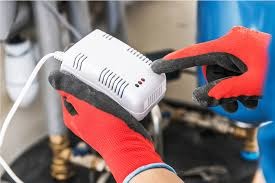
Even with routine furnace repair, carbon monoxide risks can persist if detection measures are ignored. Installing and maintaining carbon monoxide detectors near sleeping areas and the furnace itself provides an additional safeguard. During regular furnace maintenance, technicians can advise on detector placement and test existing units to ensure functionality. This proactive approach complements furnace repairs by providing real-time alerts in case of a leak, allowing occupants to evacuate and seek emergency assistance. Combining preventive repair with consistent monitoring creates a comprehensive safety strategy, reducing the likelihood of undetected carbon monoxide exposure significantly.
Maintaining a furnace through regular repair is essential for protecting households from carbon monoxide exposure, a hidden yet serious risk associated with fuel-burning heating systems. By addressing potential issues such as cracked heat exchangers, blocked vents, faulty burners, and malfunctioning safety controls, homeowners can prevent hazardous gas leaks while promoting efficient operation. Consistent maintenance also ensures proper fuel management, airflow, and detection measures, creating a comprehensive safety framework. Regular attention to furnace repair transforms a routine household appliance into a reliable guardian against carbon monoxide dangers.