
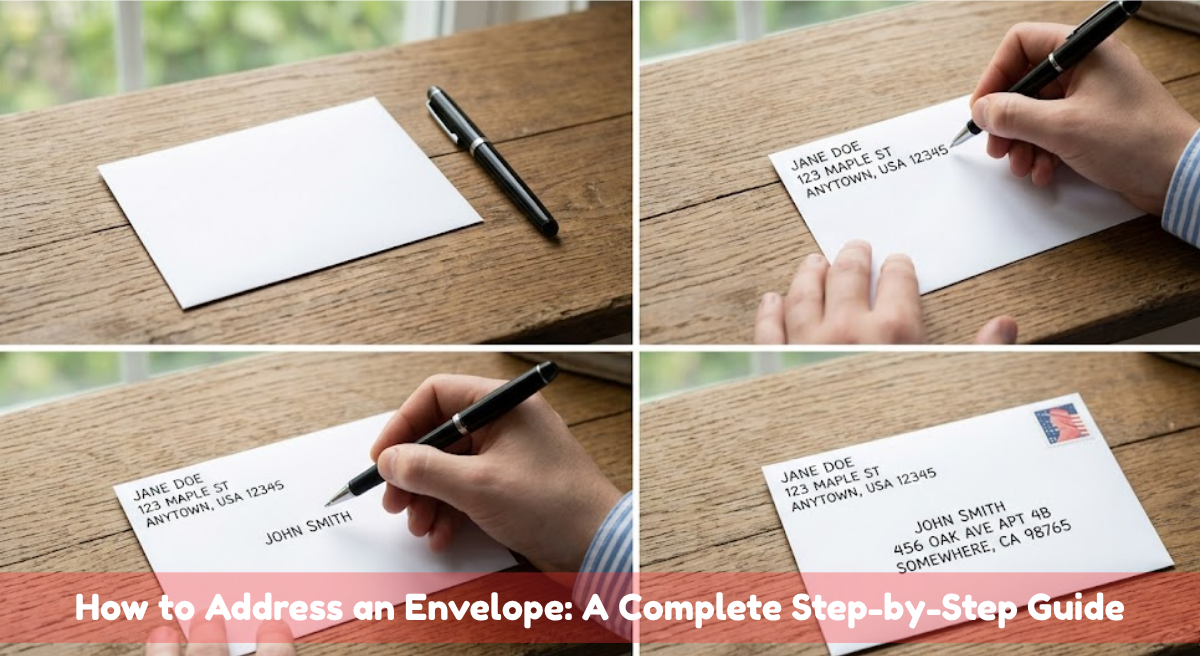
Writing an envelope might seem simple, but getting it right is essential for ensuring your mail reaches the correct destination without delays. Whether you’re sending a personal letter, a formal invitation, or important business documents, knowing how to address an envelope properly is a valuable skill. This guide will walk you through everything you need to know, from basic formatting to special cases, helping you avoid common mistakes and ensure your mail looks professional and polished.
Why Proper Envelope Addressing Matters
Correctly addressing an envelope is more than just writing a name and address—it ensures efficient delivery through the postal system. Postal workers rely on clearly written and properly formatted addresses to sort and route mail quickly. A poorly written or incorrectly formatted address can lead to delays, misdelivery, or even lost mail.
In professional settings, properly addressed envelopes also reflect attention to detail and respect for the recipient. For personal mail, it adds a touch of care and thoughtfulness. Whether you are sending a birthday card or a job application, knowing how to address an envelope correctly makes a significant difference.
Basic Structure of an Envelope Address
Understanding the basic structure is the first step in learning how to address an envelope. Every properly addressed envelope typically contains three main components:
Recipient’s Address (Front Center)
This is the most important part of the envelope. It should be written clearly in the center and include:
- Full name of the recipient
- Street address or P.O. Box
- City, state/province, and ZIP/postal code
Each element should be written on a separate line for clarity.
Return Address (Top Left Corner)
The return address indicates where the mail should be sent if it cannot be delivered. It includes:
- Your full name
- Your street address
- City, state/province, and ZIP/postal code
Although optional in some cases, including a return address is highly recommended.
Postage Stamp (Top Right Corner)
The stamp must be placed in the top right corner. Without proper postage, your mail may be returned or delayed.
Step-by-Step Guide on How to Address an Envelope
Addressing an envelope becomes easy when you follow a systematic approach.
Step 1: Write the Recipient’s Name
Start with the full name of the person or organization. Use proper titles if necessary, such as Mr., Ms., Dr., or company names. Make sure the spelling is accurate.
Step 2: Add the Street Address
On the next line, write the house number followed by the street name. Include apartment, suite, or unit numbers if applicable.
Example:
123 Main Street, Apt 4B
Step 3: Include City, State, and ZIP Code
Write the city name, followed by the state abbreviation and ZIP code. Ensure there are no spelling errors or missing numbers.
Example:
New York, NY 10001
Step 4: Add the Return Address
In the top left corner, write your own address using the same format. This ensures the letter can be returned if necessary.
Step 5: Place the Stamp
Finally, place the correct postage stamp in the top right corner.
How to Address an Envelope for Business Purposes
When sending professional mail, presentation matters even more. Business envelopes should look neat, formal, and easy to read.
Start by writing the company name on the first line, followed by the department (if applicable). Then include the street address and city/state/ZIP code.
Example format:
- Company Name
- Department Name
- Street Address
- City, State ZIP Code
Using uppercase letters or printed labels can improve readability in business settings.
Addressing an Envelope to a Family
When sending mail to a family, the format depends on your relationship and the level of formality.
For a formal approach, write:
- Mr. and Mrs. John Smith
For a more casual tone, you can write:
- The Smith Family
If you are addressing specific members, list their names individually.
How to Address an Envelope with an Apartment or Suite Number
Including apartment or suite numbers is crucial for accurate delivery. This information should appear on the same line as the street address or on a separate line directly below it.
Examples:
- 456 Elm Street, Apt 12
- 789 Pine Road, Suite 300
Make sure the unit number is clearly written to avoid confusion.
Writing International Addresses
Addressing international mail requires a slightly different format. The key difference is including the destination country in uppercase letters on the last line.
Example:
- Recipient Name
- Street Address
- City, Postal Code
- Country Name (in uppercase)
Also, check the specific formatting rules for the destination country, as they may vary.
Tips for Clear and Effective Envelope Addressing
To ensure your mail is delivered without issues, follow these practical tips:
- Use clear, legible handwriting or printed text
- Avoid using cursive if it’s hard to read
- Use black or blue ink for better visibility
- Do not overcrowd the envelope
- Double-check all details before sending
Clarity and accuracy are the most important factors when learning how to address an envelope effectively.
Common Mistakes to Avoid
Even small errors can cause delivery problems. Here are some common mistakes to watch out for:
Incorrect ZIP Codes
A wrong ZIP or postal code can send your mail to the wrong location. Always verify the code before sending.
Missing Apartment Numbers
Leaving out unit numbers can result in undelivered mail, especially in large buildings.
Poor Handwriting
Illegible writing makes it difficult for postal workers to read the address, increasing the risk of delays.
Forgetting the Return Address
Without a return address, undelivered mail cannot be sent back to you.
Using Printed Labels vs. Handwriting
Both printed labels and handwritten addresses are acceptable, but each has its advantages.
Printed labels offer a clean, professional look and reduce the chances of errors. They are ideal for business correspondence and bulk mailing.
Handwritten addresses, on the other hand, add a personal touch, making them perfect for invitations and greeting cards. Just make sure your handwriting is neat and easy to read.
Special Cases in Envelope Addressing
There are situations where standard addressing rules may need adjustments.
Addressing Military Mail
Military addresses use a unique format that includes specific abbreviations and codes. It’s important to follow official guidelines to ensure proper delivery.
Addressing Government Offices
Include the department name and official titles when sending mail to government institutions. Accuracy is crucial in these cases.
Addressing Packages vs. Letters
While the basic format remains the same, packages often require additional details like tracking labels and barcodes.
The Importance of Proper Formatting and Alignment
Proper alignment ensures that the address is easy to read and scan. The recipient’s address should always be centered on the envelope, while the return address stays in the top left corner.
Avoid decorative fonts or unusual layouts that may confuse postal systems. Keeping the format simple and standard improves delivery efficiency.
How Technology Has Changed Envelope Addressing
Modern technology has simplified the process of addressing envelopes. Online tools, address verification systems, and automated printing solutions help reduce errors and improve accuracy.
However, the basic principles of how to address an envelope remain the same. Even with advanced tools, understanding the correct format is essential.
Conclusion
Learning how to address an envelope correctly is a simple yet essential skill that ensures your mail reaches its destination safely and on time. By following the proper structure, paying attention to details, and avoiding common mistakes, you can make your mail look professional and reliable.
Whether you are sending a personal letter, a business document, or an international package, the key is clarity, accuracy, and proper formatting. Mastering this skill will not only save time but also prevent unnecessary delays and complications.
FAQs
What is the correct way to address an envelope?
The correct way includes writing the recipient’s name in the center, followed by the street address and city/state/ZIP code, with the return address in the top left corner and the stamp in the top right corner.
Do I need a return address on an envelope?
While not always mandatory, including a return address is highly recommended in case the mail cannot be delivered.
Can I use abbreviations in addresses?
Yes, standard abbreviations for states, directions, and street types are commonly used and accepted.
How do I address an envelope to multiple recipients?
You can list multiple names on separate lines or use a collective term like “The Smith Family” for informal situations.
What happens if I write the wrong address?
If the address is incorrect, the mail may be delayed, returned to the sender, or delivered to the wrong location.
Is it better to print or handwrite an address?
Both are acceptable. Printed addresses are more professional and easier to read, while handwritten ones add a personal touch.